
 Türkçe
 Deutsch
 العربية
 Русский

Chest pain in children is a symptom that is most often not heart-related and develops due to benign causes. It is most commonly associated with musculoskeletal problems, growth pains, and infections. However, medical evaluation is required in the presence of sudden onset, severe pain, or accompanying findings such as fainting.
Among the causes of chest pain in children are costochondritis, muscle strains, upper respiratory tract infections, and rarely cardiac pathologies. Trauma, intense physical activity, and stress factors may also trigger pain. Clinical history and physical examination are the fundamental steps in diagnosis.
Symptoms of chest pain in children vary depending on the duration, location, and character of the pain. Stabbing, short-term pain that increases with movement is generally musculoskeletal in origin. If additional symptoms such as shortness of breath, palpitations, or bluish discoloration are present, further evaluation should be planned.
Treatment of chest pain in children is arranged according to the underlying cause. In musculoskeletal conditions, rest and analgesics may be sufficient. In the presence of infection, appropriate medical treatment is applied. In cases of suspected cardiac origin, pediatric cardiology evaluation is recommended.
One of the most important points to pay attention to here is that small children do not know palpitations. Young children may express palpitations as chest pain. The fastest and most important action families can take in this regard is to count the pulse at that moment.
| What You Need to Know | Information |
| Definition | Chest pain in children is a complaint that may originate from the anterior chest wall, heart, lungs, esophagus, or musculoskeletal system and can be felt as sharp, stabbing, burning, or pressure-like pain. In childhood, it is mostly due to benign causes. |
| Epidemiology | Chest pain is a common reason for presentation in children and adolescents. The vast majority of cases are due to non-cardiac causes. It is reported more frequently during adolescence. |
| Most Common Causes | Musculoskeletal pain (costochondritis, muscle strain), psychogenic causes (anxiety), respiratory infections, asthma, and gastroesophageal reflux are the most common causes. |
| Cardiac Causes | Myocarditis, pericarditis, arrhythmia, congenital heart diseases, and coronary artery anomalies are rare but serious causes. Pain increasing with exercise, accompanying syncope, and a family history of sudden death suggest a cardiac origin. |
| Respiratory Causes | Conditions such as asthma, pneumonia, pleuritis, and pneumothorax may cause chest pain. The pain usually increases with breathing and may be accompanied by cough and shortness of breath. |
| Gastrointestinal Causes | Gastroesophageal reflux, esophagitis, and gastritis may cause burning-type chest pain that increases after meals. |
| Psychogenic Causes | Anxiety disorders, panic attacks, and stress factors may produce somatic symptoms in the form of chest pain. Physical examination and tests are usually normal. It should be considered after all evaluations have been completed and when there is no physical illness. |
| Clinical Features | The duration, character of the pain, relationship with exercise, history of trauma, and accompanying symptoms (fever, palpitations, fainting, shortness of breath) are important in evaluation. |
| Alarm Findings | Pain increasing with exercise, fainting, severe shortness of breath, cyanosis, palpitations, and a family history of sudden cardiac death require urgent evaluation. |
| Diagnostic Methods | Detailed history and physical examination are essential. When necessary, ECG, echocardiography, chest X-ray, blood tests, and pulmonary function tests may be performed. |
| Treatment | It is planned according to the cause. In musculoskeletal pain, rest and anti-inflammatory treatment; in infections, appropriate medical treatment; in asthma, bronchodilators; and in reflux, acid-suppressing medications may be used. Cardiac causes require specialist follow-up. |
| Prognosis | The vast majority of chest pain in childhood is benign and does not lead to a permanent problem after appropriate evaluation. Cardiac causes are rare, but early diagnosis is important. |

PROF. DR.
İbrahim Cansaran TANIDIR
Pediatric Cardiology Specialist
İbrahim Cansaran TANIDIR
Pediatric Cardiology Specialist
Prof. Dr. İbrahim Cansaran Tanıdır is an internationally recognized expert with nearly 20 years of clinical, academic, and interventional experience in congenital heart diseases, pediatric interventional cardiology, hybrid procedures, and radiation-reduced / fluoroscopy-free catheterization techniques.
To date, he has performed more than 10,000 pediatric cardiac catheterization procedures both in our country and abroad; and has pioneered advanced interventional and hybrid applications in complex structural heart diseases in our country. His academic productivity represents a strong scientific authority with 110 SCI/SCIE publications, 1,440 citations, and an H-index of 18 (Google Scholar, 2025).
At Which Ages Is the Complaint of Chest Pain in Children Most Common?
The complaint of chest pain can appear at any age from infancy to the end of adolescence, but its frequency varies significantly according to age groups. For example, in children under the age of 6, which we call the preschool period, this complaint is quite rare. Young children may generally have difficulty localizing the pain, meaning they cannot clearly indicate its exact location, or they may express a problem elsewhere as chest pain. For this reason, persistent pain in very young age groups is examined more carefully.
However, the main surge occurs between the ages of 11 and 13, when the first signs of adolescence begin and the body undergoes rapid change. This period is when children enter what we call a “growth spurt.” Bones lengthen rapidly, muscles stretch, hormonal balances change, and the body is almost rebuilt. During this rapid construction process, the stretching and strain of structures in the chest cage are quite natural. Additionally, these years are a period when children’s social awareness increases, school stress begins, and emotional fluctuations intensify.
When we look from a gender perspective, we do not see a significant difference between girls and boys in the frequency of chest pain in the pre-adolescent period. However, with adolescence, especially after the age of 12, we observe that this complaint is expressed slightly more frequently by girls than by boys. The underlying reasons may include both hormonal changes and differences in the perception and expression of pain among girls.
There is also an interesting seasonal cycle. During the summer months, when schools are on vacation and children move more freely, the number of chest pain visits decreases. However, when autumn leaves begin to fall and schools reopen, cases of chest pain in clinics increase. There are two main culprits. The first is posture disorders caused by heavy school bags and sitting at desks all day. The second is the influenza infections that are inevitable during the winter months. The chest muscles of a child who coughs frequently becoming sore and strained is no different from the muscle pain someone feels the day after lifting weights at the gym for the first time.
What Does the Diagnosis of Idiopathic Chest Pain Mean?
When you consult a doctor, after examination and tests, your physician may say, “Your child has Idiopathic Chest Pain.” This term is sometimes met with confusion by parents. The word “idiopathic” is one of the most commonly used and most practical terms in medical jargon. It literally refers to situations where “the cause is unknown” or where “no specific underlying organic disease can be found.”
Sometimes when families hear this diagnosis, they may think, “So is my child lying? Does he or she not actually have pain?” Absolutely not. The pain your child feels is real. However, the source of this pain is not a blocked vessel, an infection, a tumor, or a structural abnormality. There is no damage in the body that is going wrong and needs repair.
The characteristic features of idiopathic pain generally include:
- Being short in duration
- Being sharp in nature
- Having a stabbing character
- Occurring at rest
- Not waking the child from sleep
These pains usually occur when the child is studying, watching television, or sitting quietly, feeling like “a knife stabbing,” and pass within seconds or a few minutes. The pain is usually felt along the midline of the chest or under the breast but does not radiate to the arms or neck. The most important feature is that it does not limit the child’s activity. As soon as the pain passes, the child returns to play or activity as if nothing happened.
There are several theories about why this occurs. Temporary stimulation of nerve endings in the chest wall during periods of rapid growth, sensitivities left behind by very mild viral infections that pass unnoticed, or simple muscle cramps are considered responsible. However, the most important thing is knowing that this condition is completely benign. In this group, the most effective treatment is often reassurance without medication, with the physician telling the family and the child, “Your heart is perfectly healthy, there is nothing to worry about.” This reassurance reduces the anxiety of both the child and the family and gradually diminishes the perception of pain.
How Can Musculoskeletal Chest Pain Be Distinguished?
The structure we call the chest cage is not just a rigid box that protects the heart and lungs. On the contrary; it is an extraordinarily dynamic mechanism consisting of ribs, the sternum, the spine, joints connecting them, flexible cartilage, and layers of muscles surrounding them. Every time we inhale, this mechanism expands; when we exhale, it contracts. This movement repeated tens of thousands of times a day shows how dynamically the chest wall works.
The most common source of identifiable pain in children is precisely this mechanical structure. Muscle strain, irritation of cartilage, or posture disorders invite pain. One of the most common conditions we encounter here is “Costochondritis.” Although the name sounds complicated, the logic is simple: it is the non-infectious inflammation, meaning irritation, of the cartilage tissue at the points where the ribs join the sternum in the front.
The most typical symptoms of costochondritis and similar musculoskeletal pains are:
- Pain increasing with movement
- Stabbing pain or increased pain during deep breathing
- Worsening with coughing
- Change in pain with changes in position
However, the golden rule that distinguishes these pains from heart pain is the “finger pressure test.” If when you press with your finger on the spot your child shows and says “It hurts here,” the child reacts by saying “Yes, that really hurts!” you can breathe a sigh of relief. Because heart pain does not increase or decrease when pressed with a finger, massaged, or rubbed from outside. However, if the pain is in the muscle, bone, or cartilage tissue, pressing on it triggers the pain. This finding is one of the strongest pieces of evidence for us physicians that the pain is not coming from the heart.
Factors that trigger musculoskeletal pain include:
- Heavy school bags
- Incorrect posture positions
- Newly started sports activities
- Severe coughing attacks
- Blows received to the chest area
- Recent infections
There is also an interesting condition called “Precordial Catch Syndrome,” sometimes translated into Turkish as “Texidor’s Twinge,” but commonly known among the public as “a needle stabbing the heart.” Suddenly, an extremely sharp pain like lightning strikes, usually in the area of the left nipple. At that moment, the child becomes afraid to breathe because they feel that if they take a deep breath the pain will increase. Therefore, they hold their breath or take very shallow breaths. This condition is completely related to the momentary compression of a muscle fiber or nerve. It lasts seconds or at most 1–2 minutes and suddenly disappears. As soon as it passes, the child returns completely to normal. Although it may look frightening, it is completely harmless and has nothing to do with the heart.
Contact us now to get detailed information about treatments and to create an appointment!
Can Exam Stress and Psychological Factors Cause Chest Pain?
In countries like Türkiye where academic success is a major source of pressure, the answer to this question is unfortunately a big “Yes.” Especially in children preparing for exam periods such as LGS and YKS, adolescents, and students with perfectionist personalities, we frequently encounter stress-related chest pains in our clinics.
The human body is skilled at turning psychological tension into physical reactions. When a child feels intense anxiety, stress, or fear, the body enters “fight or flight” mode. One of the most prominent features of this mode is “hyperventilation.” In other words, the child begins to breathe very rapidly and deeply without realizing it.
Changes occurring in the body as a result of hyperventilation include:
- Decrease in carbon dioxide levels
- Constriction of blood vessels
- Changes in intracellular calcium balance
- Contraction of chest muscles
As a result of this chain reaction, the child feels real tightness or pain in the chest, numbness in the hands and lips, and dizziness. The child tries to breathe even more deeply with the feeling of “I can’t get enough air, I’m suffocating,” and this worsens the situation, creating a vicious cycle.
In addition, during adolescence children may have difficulty expressing their emotions. Peer bullying at school, tensions within the family, parental separation, or the loss of a loved one (especially if a grandparent died from a heart attack) can lead to a condition we call “somatization.” In other words, the child cannot put the pain in their soul into words and reflects it as physical pain. This pain is not “made up” or “pretended.” The child truly feels it. However, the root of the problem is not in the heart’s vessels but in the invisible burdens on the child’s shoulders.
Can Reflux and Stomach Problems Be Confused with Chest Pain?
The nerve networks in our body can sometimes send complex signals to the brain. During development in the womb, the heart and the esophagus develop very close to each other and share similar autonomic nerve pathways. Therefore, a problem occurring in the esophagus or stomach may be perceived by the brain as “pain in the heart region.”
Especially in adolescents, changing eating habits, fast-food consumption, carbonated drinks, and irregular meals trigger stomach problems. In the condition we call Gastroesophageal Reflux Disease (GERD), acidic stomach contents escape upward into the esophagus. Because the esophagus is not resistant to acid, it becomes irritated and causes a burning-type pain just behind the breastbone (sternum).
Clues suggesting reflux-related chest pain include:
- Pain beginning after meals
- Increased pain while lying down
- Bitter fluid coming into the mouth
- A burning sensation being prominent
Additionally, in small children, swallowing foreign objects such as coins or toy pieces that become lodged in the esophagus may present with sudden chest pain and difficulty swallowing. This situation of course requires urgent intervention.
What Are the Symptoms of Lung-Related Chest Pain?
The lungs, which occupy a large part of the chest cavity, can also be a source of pain. However, the lung tissue itself is insensitive to pain. Pain is usually felt when there is a problem in the lung lining (pleura) or the airways. Lung-related pains usually do not appear “alone”; they are accompanied by other signs.
Additional symptoms indicating lung problems include:
- High fever
- Persistent cough
- Shortness of breath
- Wheezing
For example, in a child with pneumonia, when the infection reaches the pleura, severe “side pain” like a knife stabbing occurs with every breath. During an asthma attack, there is a feeling of “pressure” and “tightness” in the chest due to narrowing of the airways. However, in these cases the child’s general condition is usually poor; in other words, the child appears ill, has fever, or breathes rapidly. In a child who only has chest pain but is running around energetically, the likelihood of a serious lung problem is low.
Contact us now to get detailed information about treatments and to create an appointment!
Which Situations Are Considered “Red Flags” for Cardiac Chest Pain?
What we have explained so far was the “benign” side of the issue aimed at reassuring parents. However, a responsible medical approach also requires not missing the “needle in the haystack,” meaning the rare but serious heart problems that make up about 1%. There are some special situations we doctors call “Red Flags” or “Alarm Findings.” If these features accompany chest pain, we do not leave it to chance and request a detailed cardiological examination.
The most critical alarm findings suggesting pain of cardiac origin are:
- Pain with exertion: This is the most important point. If your child suddenly stops and holds their chest not while sitting in front of the television but while playing football, swimming, running, or climbing stairs, this should be taken seriously.
- Fainting (Syncope): Fainting, blacking out, or collapsing during exercise or together with chest pain is a very important sign.
- Palpitations: If the child says during pain, “My heart is beating as if it will jump out of my chest,” it suggests a rhythm disorder.
- Family History: If there is a story of unexplained sudden death, drowning, or heart attack before the age of 30–40 in the family (parents, siblings, close relatives such as uncles or aunts), the genetic risk increases.
- Previous Heart Disease: If the child has a previously known heart disease, a history of heart surgery, or Kawasaki disease, every pain should be taken seriously.
In summary; if the child says “Mom, my chest hurts” while resting, we can stay calm, but if the child says “Dad, my chest felt very tight while playing a match, I felt dizzy and couldn’t run,” we should consult a doctor without delay.
How Does the Diagnostic Process Work When We Go to the Doctor?
Many parents expect their child to immediately undergo MRI or CT scans, blood tests, and imaging as soon as they step into the hospital. However, in medicine, especially in pediatric chest pain, 90% of the diagnosis comes from the conversation your doctor has with you and your child. We call this “Anamnesis.”
Questions your doctor asks such as “When did the pain start?”, “What are you doing when it occurs?”, “How long does it last?”, and “Where does it hurt?” provide information more valuable than the most expensive imaging devices. A good history and careful physical examination (listening to the heart, examining the chest wall by hand) are often sufficient to make the diagnosis.
The first routine test that is actually very valuable is the Electrocardiography (ECG) device. ECG records the electrical map of the heart. It is painless, does not involve radiation, and takes only seconds. It shows rhythm disorders, thickening of the heart muscle, or conduction problems.
Here it is necessary to open a parenthesis: Troponin and Echocardiography. Troponin is a blood test that shows heart muscle damage. However, it is not correct to check troponin in every chest pain in children. Because heavy training, a simple viral infection, or kidney problems can also raise troponin levels. An unnecessarily requested troponin test may sometimes create a “false positive,” unnecessarily hospitalizing the family for days and causing anxiety.
Echocardiography (Heart Ultrasound) is an indispensable part of pediatric cardiology examination. However, if the examination is normal, the ECG is clean, and the story fits typical muscle pain, an ECHO performed just “to be sure” can sometimes backfire. When insignificant, innocent valve laxities or physiological details appear in the report, the family’s concern that “there is something wrong with my child’s heart” may increase. Therefore, the healthiest way is for the physician to decide which tests should be performed.
How Is Chest Pain Treated?
The treatment approach is completely shaped according to the identified cause. As we mentioned, since there is no “real” disease in the vast majority of cases, heavy drug treatments are not necessary.
Simple methods used in musculoskeletal pain include:
- Short-term rest
- Avoiding heavy lifting
- Simple painkillers
- Local hot or cold applications
- Stretching and flexibility exercises
If the problem is gastric reflux, changing eating habits (not eating before going to bed, reducing chocolate and caffeine) and, if necessary, using syrups that regulate stomach acid will be sufficient.
In psychogenic pain related to stress, the greatest medicine is “being understood.” Instead of telling the child “There is nothing wrong with you,” it is necessary to approach them by saying, “I understand your pain, but the reason for this pain is not your heart; it is your stress reflecting on your body.” If necessary, consulting child psychiatry, learning breathing exercises, or receiving support for exam anxiety can resolve the pain at its root.
Frequently Asked Questions
Through which mechanisms does Chest Pain in Children most commonly occur?
Chest pain in children usually occurs due to muscle strain, rib-cartilage inflammation, or musculoskeletal tension developing during sudden growth periods. More rarely, reflux, asthma, or infections may cause pain.
How is Chest Pain in Children distinguished from heart disease?
When chest pain in children is heart-related, it increases with exertion and may be accompanied by palpitations and fainting. If there is a family history of heart disease at an early age, the risk of cardiac origin increases. Although a definitive distinction cannot always be made, you may consult a cardiologist according to your pediatrician’s recommendations.
Can Chest Pain in Children be related to asthma or respiratory diseases?
Chest pain in children may appear as a feeling of tightness in the chest during asthma attacks. If cough, wheezing, and shortness of breath accompany it, the respiratory system should be evaluated. With appropriate treatment, the pain usually subsides.
Can Chest Pain in Children be caused by stress and anxiety?
Chest pain in children may be associated with exam stress, family problems, or anxiety, especially during adolescence. The pain is usually short-lived and no physical findings are detected. Psychological support helps reduce symptoms.
Why is Chest Pain in Children seen more frequently in children who do sports?
Chest pain in children may develop due to muscle strain or chest wall trauma after intense exercise. Insufficient warm-up and sudden exertion increase the risk. With rest and an appropriate exercise plan, it usually resolves completely.
How is Chest Pain in Children related to gastric reflux?
Chest pain in children may be felt as burning due to stomach acid escaping into the esophagus. Pain increasing after meals and bitter fluid coming into the mouth suggest reflux. Control is achieved with dietary adjustments and treatment.
When should a doctor be consulted if Chest Pain in Children occurs?
If chest pain in children lasts longer than a few minutes, recurs frequently, or becomes more severe, it should be evaluated. If symptoms such as fever, shortness of breath, palpitations, dizziness, dimming of vision, or fainting accompany it, a healthcare institution should be consulted without delay.
What complications can develop if Chest Pain in Children is not treated?
Chest pain in children usually does not lead to serious consequences; however, if there is an underlying heart, lung, or infectious disease, leaving it untreated may increase the risk of complications. Early diagnosis prevents possible problems.
What is the recovery process after Chest Pain in Children like?
If chest pain in children is musculoskeletal in origin, it usually improves within a few days with rest. In respiratory or stomach-related causes, the recovery time varies depending on treatment, and in most children it does not leave permanent damage.
Blog Posts
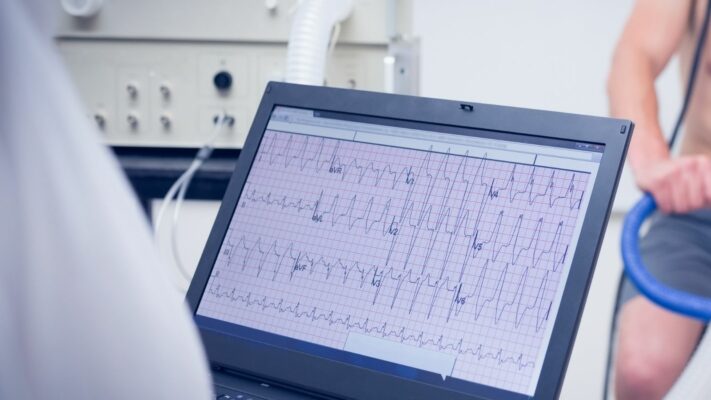
Exercise Stress Test in Children: Purpose, Procedure and Results
Exercise stress testing in children is [...]
Read More
29
Sep
Sep
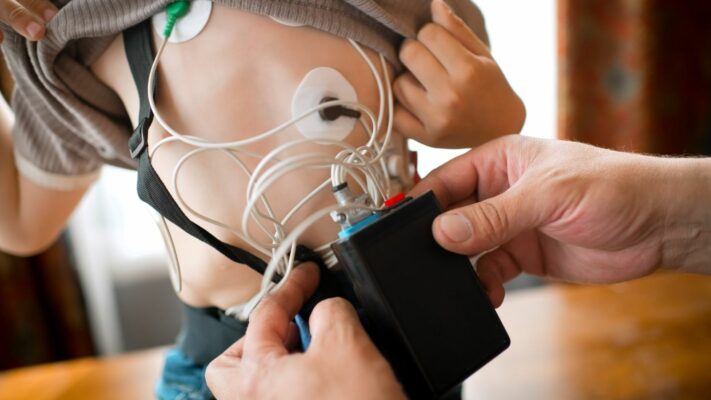
Holter ECG Monitoring in Children: Procedure, Uses and Results
Holter ECG in children is a [...]
Read More
29
Sep
Sep
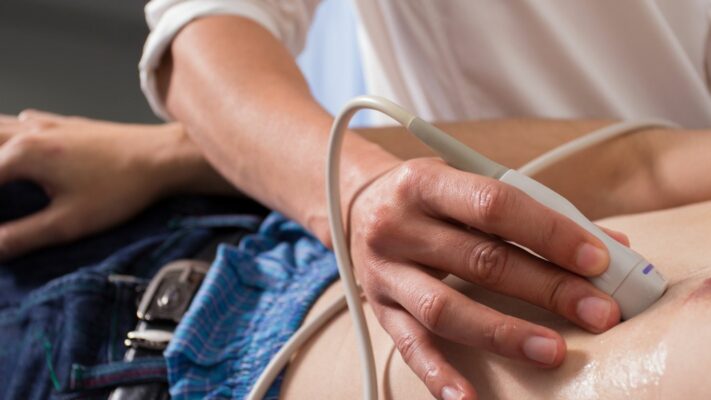
Pediatric Echocardiography (ECHO): Procedure, Uses and Results
Pediatric echocardiography is a painless ultrasound [...]
Read More
29
Sep
Sep
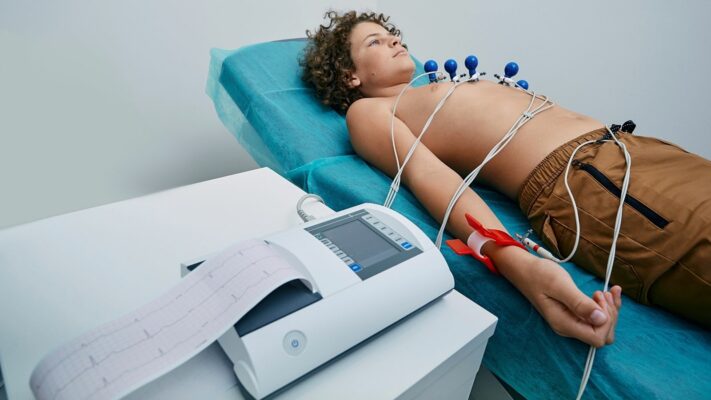
Pediatric ECG (Electrocardiogram): Procedure, Uses and Results
Pediatric ECG (Electrocardiography) is a completely [...]
Read More
29
Sep
Sep

Pulmonary Valve Stenosis: Symptoms, Causes, Diagnosis and Treatment
Pulmonary valve stenosis (pulmonary stenosis) is [...]
Read More
29
Sep
Sep
Ventricular Septal Defect (VSD): Symptoms, Causes and Treatment Options
Ventricular septal defect (VSD) is a [...]
Read More
29
Sep
Sep
Atrial Septal Defect (ASD): Symptoms, Causes and Treatment Options
Atrial septal defect (ASD) is a [...]
Read More
29
Sep
Sep

Shortness of Breath in Children: Causes, Symptoms and Treatment Options
Shortness of breath in children is [...]
Read More
10
Aug
Aug