
 Türkçe
 Deutsch
 العربية
 Русский

Myocarditis (inflammation of the heart muscle) that develops later in children usually occurs due to viral infections and causes inflammation in the heart muscle. This condition may sometimes pass very quietly (like an upper respiratory tract infection), but in some cases it can impair heart functions and lead to serious cardiovascular complications.
Why does myocarditis occur in children and what symptoms does it cause? Myocarditis most commonly develops after flu-like infections. It may present with symptoms such as fatigue, chest pain, shortness of breath, palpitations, and fainting. In some cases, symptoms are unclear and diagnosis may be delayed.
How is myocarditis diagnosed and which tests are performed? For a definitive diagnosis, ECG, echocardiography, cardiac MRI, and blood tests are required. These imaging and laboratory methods are evaluated together to detect inflammation in the heart muscle and dysfunction.
What is the treatment process like and how long does it take? In mild cases, rest and supportive treatment may be sufficient, whereas severe cases may require intensive care support. Antiviral medications, corticosteroids, and in some cases treatments for heart failure may be applied. The recovery process may take weeks.
| What You Need to Know | Information |
| Name of the Disease | Myocarditis (inflammation of the heart muscle) |
| Age of Occurrence | It can be seen at any age from the neonatal period to adolescence; it most frequently appears during childhood and adolescence (there are two peak incidence periods) |
| Causes | Viral infections (most common; enteroviruses, adenovirus, parvovirus B19), bacterial infections, fungal or parasitic infections, autoimmune diseases, certain medications and toxins |
| Mode of Transmission | If the underlying cause is viral, it may be transmitted by droplets; however, myocarditis itself is not contagious |
| Symptoms | Chest pain, shortness of breath, fatigue, easy tiredness, palpitations, fainting, cold sweating, rapid breathing, abdominal pain, loss of appetite, irritability (especially in young children) |
| Physical Examination Findings | Heart murmurs, tachycardia, low blood pressure, enlarged liver, respiratory distress, pallor or cyanosis of the skin |
| Diagnostic Methods | ECG, echocardiography, cardiac MRI, blood tests (troponin, BNP), viral serologies, endomyocardial biopsy (in rare cases) |
| Differential Diagnoses | Pericarditis, cardiomyopathy, sepsis, pneumonia, asthma, congenital heart diseases |
| Treatment Methods | Treatment targeting the cause (for example antiviral or antibiotic therapy), rest, medications to prevent heart failure (diuretics, ACE inhibitors, beta blockers), immunosuppressive therapies (if there is an autoimmune cause), rarely mechanical circulatory support (ECMO) |
| Need for Hospitalization | Yes, if clinical symptoms are present most cases require hospitalization and close monitoring |
| Follow-Up and Controls | Regular echocardiography and ECG to monitor heart functions; in some cases long-term cardiological follow-up may be required |
| Complications | Heart failure, rhythm disorders, sudden cardiac arrest, dilated cardiomyopathy, permanent heart damage |
| Prognosis | Complete recovery is possible with early diagnosis and appropriate treatment; however, in some cases permanent cardiac dysfunction may develop |
| Prevention Methods | Protection from viral infections, vaccinations (for example influenza, COVID-19), early diagnosis and treatment of infectious diseases |
| Recommendations for Families | If unexplained fatigue, shortness of breath, chest pain, or fainting occurs in the child, medical attention should be sought without delay; recommended follow-up visits after treatment should be attended regularly |

PROF. DR.
İbrahim Cansaran TANIDIR
Pediatric Cardiology Specialist
İbrahim Cansaran TANIDIR
Pediatric Cardiology Specialist
Prof. Dr. İbrahim Cansaran Tanıdır is an internationally recognized expert with nearly 20 years of clinical, academic, and interventional experience in congenital heart diseases, pediatric interventional cardiology, hybrid procedures, and radiation-reduced / fluoroscopy-free catheterization techniques.
To date, he has performed more than 10,000 pediatric cardiac catheterization procedures both in our country and abroad; and has pioneered advanced interventional and hybrid applications in complex structural heart diseases in our country. His academic productivity represents a strong scientific authority with 110 SCI/SCIE publications, 1,440 citations, and an H-index of 18 (Google Scholar, 2025).
Why Does Myocarditis Occur and What Is the Process in the Body?
Under normal conditions, a child’s heart works in perfect harmony. However, when the process we call myocarditis begins, this balance is disrupted. The issue families are most curious about is how their completely healthy-looking child can suddenly develop a heart disease. At the core of the process usually lies the body’s defense mechanism. When a microbe entering the body attacks heart muscle cells, the immune system sends its soldiers, meaning inflammation-fighting cells, to that area in order to destroy the microbe.
What happens during this battle can be compared to a battlefield. The goal is to eliminate the enemy, but during this process the surrounding buildings may also be damaged. This is what happens in myocarditis; while the immune system tries to clear the virus, it also damages the heart muscle cells where the virus is hidden. Sometimes, even after the virus has been completely cleared from the body, the immune system cannot stop the battle and continues to attack heart tissue. We call this situation an “autoimmune reaction.”
This inflammatory process causes edema, meaning swelling, in the heart muscle. Just as it is difficult and painful to step on a swollen ankle, a swollen and inflamed heart muscle also struggles while performing its contraction function. This strain may lead to enlargement of the heart, thinning of the walls, and a decrease in pumping power.
Medically, we usually consider this process in three stages:
- The first stage where the virus directly attacks,
- The second stage where the immune system becomes involved, and
- The third stage where recovery occurs or damage becomes permanent.
Our entire effort is to guide the child through this process with the least possible damage remaining in the heart.
What Are the Causes of Myocarditis in Children?
In childhood, the biggest trigger of this disease is infections. Viral infections are responsible for the vast majority of cases. In other words, viruses that your child may catch at school, daycare, or the park and that normally cause a cold or diarrhea may, in some children, target the heart due to genetic predisposition or the state of the immune system at that moment.
Common viral causes include:
- Coxsackie viruses
- Adenoviruses
- Parvovirus B19
- Influenza viruses
- Epstein-Barr Virus
- Cytomegalovirus
In addition to these viruses, the SARS-CoV-2 virus, known as COVID-19, has also become one of the causes of myocarditis in recent years. Although bacterial infections are rarer, they may also affect the heart in severe infections. Among non-infectious causes, allergic reactions to certain medications, insect stings, or autoimmune diseases in which the body attacks itself may also lead to myocarditis. However, most cases encountered in outpatient clinics or emergency departments are viral in origin.
Which Age Groups Are at Higher Risk for Myocarditis?
The disease can occur at any age from the neonatal period to the end of adolescence. However, when we examine statistics and clinical experience, we see two peak periods in the distribution of the disease. These two periods represent the times when the risk of myocarditis is highest and require more careful attention.
The risk groups include:
- Infants under 1 year of age
Infants in the first risk group are more vulnerable to viruses because their immune systems are not yet fully mature. Especially during periods when protective antibodies transferred from the mother decrease, they become more susceptible to viral infections. In addition, the cardiac reserve of infants is limited; meaning their hearts are not as tolerant to stress and strain as those of adults or older children. Therefore, the disease usually progresses more dramatically and severely in infants.
- Adolescents
The situation is somewhat different in adolescents, the second risk group. In this age group, boys are observed to be affected more frequently than girls. Although the reason is not completely clear, hormonal factors, especially the effect of testosterone, are thought to play a role. In addition, adolescence is a period when children are socially more active and more frequently exposed to viruses. When the causes of sudden deaths related to sports are investigated, undiagnosed myocarditis cases constitute a significant portion.
What Are the Symptoms of Myocarditis in Infants?
Newborns and infants cannot express their discomfort. They cannot say “My chest hurts” or “My heart is racing.” Therefore, diagnosing this age group requires real detective work for physicians. Symptoms are usually not specific to the heart and can easily be confused with a simple cold or stomach infection. This may lead to delays in diagnosis. The observation ability of families becomes extremely important here.
Common symptoms in infants include:
- Feeding difficulty
- Becoming tired quickly while feeding
- Poor weight gain
- Irritability
- Rapid breathing
- Pale skin color
- Cold hands and feet
- Fatigue
If a baby who normally feeds eagerly no longer wants to feed, takes frequent breaks during feeding, and develops bead-like sweating on the forehead while feeding, this is one of the most important signs that the heart is struggling during exertion. In addition, the baby’s rapid breathing may be related to fluid accumulation in the lungs. Most of the time this condition is mistaken for bronchiolitis (lung infection). However, during a detailed examination, enlargement of the liver and a very rapid heart rate even at rest are critical clues that shift our focus from the lungs to the heart.
Contact us now to get detailed information about treatments and to create an appointment!
How Does Myocarditis Manifest in Older Children?
In school-age children and adolescents, the clinical picture is somewhat clearer than in infants and may resemble the symptoms of a heart attack in adults. The story is usually typical: the child had a febrile illness, sore throat, or diarrhea a few weeks earlier. Just when recovery is thought to have occurred, sudden and concerning symptoms begin. These new symptoms following a viral infection indicate that the immune system has begun attacking the heart in the second phase.
Symptoms in this age group include:
- Chest pain
- Shortness of breath
- Palpitations
- Fainting
- Dizziness
- Easy fatigue
- Abdominal pain
- Vomiting
Chest pain may sometimes be described as sharp like a stabbing pain or sometimes as a pressure sensation in the chest. Children often describe palpitations by saying “My heart feels like it is going to jump out.” However, the most important warning sign is a sudden decrease in exercise capacity. If a child who previously ran constantly on the field now becomes breathless after running for only five minutes, turns pale, or feels the need to sit down, this should never be dismissed as “lack of fitness.” Especially fainting (syncope) occurring during or immediately after exercise may indicate a heart rhythm disorder and requires urgent evaluation.
Which Tests Are Performed to Diagnose Myocarditis?
Myocarditis is a “mimicking” disease; its symptoms resemble many conditions from pneumonia to stomach flu. Therefore, a single test is not sufficient for diagnosis. As physicians, we combine the results of different tests, examination findings, and the story described by the family like pieces of a puzzle to reach a diagnosis. Although biopsy (taking a sample from the heart) is the definitive diagnostic method, it is not routinely performed in every child due to its risks; instead advanced imaging and laboratory methods are used.
The main diagnostic methods include:
- Troponin test
- BNP test
- Echocardiography
- CRP and sedimentation
- Viral PCR tests
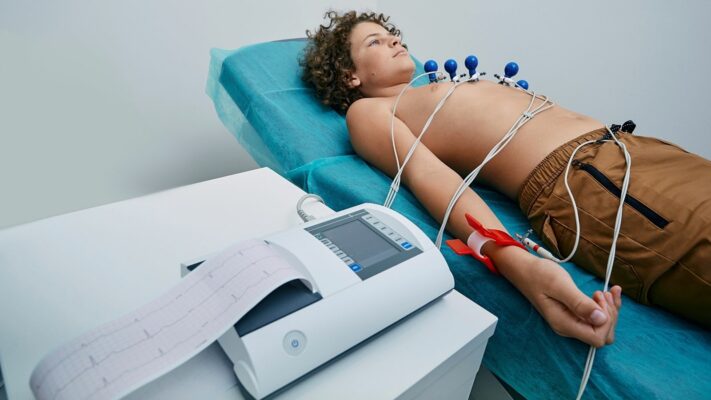
- Electrocardiography
- Cardiac MRI (the most reliable diagnostic tool after heart biopsy)
Among laboratory tests, the “Troponin” level is particularly valuable for us. Troponin is a protein normally found only inside heart muscle cells. If troponin is detected in the blood, it indicates that heart cells have broken down and their contents have entered the bloodstream. In other words, it is evidence of damage in the heart. With ECG we create the electrical map of the heart and understand rhythm disorders and whether the heart is under stress. Echocardiography (ECHO) allows us to see the contraction power and structure of the heart in real time using ultrasound waves. Cardiac MRI, which has become more widely used in recent years, is a powerful technology that allows us to distinguish edema and inflammation in the heart tissue at a microscopic level.
What Is the Treatment for Myocarditis in the Hospital?
Every child diagnosed with or suspected of having myocarditis should be hospitalized even if their general condition appears good. This is because the electrical system of the heart may behave unpredictably and dangerous rhythm disorders may suddenly develop. Hospital monitoring is essential to intervene immediately in such emergencies. The main philosophy of treatment is to reduce the workload of the heart, allow it to rest, and suppress inflammation.
Treatment methods include:
- Diuretics
- Intravenous medications that strengthen the heart muscle (inotropic drugs)
- Medications that regulate vascular dilation and cardiac chambers (ACE inhibitors)
- Intravenous Immunoglobulin
- Corticosteroids
- Antiviral medications
If signs of heart failure are present, we first reduce the load on the heart. With diuretic medications we remove excess fluid from the body, so the heart works with a smaller blood volume and becomes more comfortable. If the contraction power of the heart has weakened significantly, we start intravenous inotropic drugs that increase the strength of heart contractions. To stop the immune system from attacking the heart, IVIG therapy containing high doses of antibodies is administered. IVIG aims to stop inflammation by calming the immune system. In very severe cases, if the heart can no longer support the body, artificial heart-lung machines called ECMO are used. These devices take over the pumping function of the heart until it recovers, giving the heart time to heal.
How Does Myocarditis Associated with COVID-19 and MIS-C Progress?
With the pandemic, COVID-19 and the related condition MIS-C (Multisystem Inflammatory Syndrome in Children) opened a different perspective on myocarditis cases. MIS-C usually appears 2 to 6 weeks after COVID-19 infection and is characterized by high fever, rash, redness in the eyes, and severe organ involvement. In this syndrome, involvement of the heart muscle is quite common and sometimes the condition may be very severe.
However, the course of myocarditis associated with MIS-C is somewhat different from classic viral myocarditis. The good news is that heart involvement related to MIS-C responds very quickly and positively to appropriate treatment (IVIG and steroids). Even if heart functions are severely impaired, they have a very high potential to return completely to normal within days with treatment.
Another issue is vaccine-related myocarditis. After mRNA vaccines, myocarditis can rarely be observed, especially in adolescent boys. However, these cases are usually mild, recover in a short time, and do not cause permanent damage. Scientific data clearly show that the risk of heart damage caused by COVID-19 infection itself is many times higher than the risk associated with vaccination.
Contact us now to get detailed information about treatments and to create an appointment!
Why Is Sports Restriction Important After Recovery?
After the child is discharged, the most challenging period for families and children begins: the restriction period. Even if the child feels well, cellular recovery in the heart tissue may not yet be complete. An inflamed or newly recovering heart muscle is electrically unstable. Adrenaline released during intense exercise may trigger sudden and fatal rhythm disorders in this sensitive environment. This risk is too serious to take.
For this reason, international guidelines are clear; a patient who has had acute myocarditis is prohibited from competitive sports and heavy exertion for at least 3 to 6 months. This period is a “convalescence” period granted to the heart to repair itself.
The criteria required for returning to sports include:
- Normalization of heart functions
- Improvement in blood test results
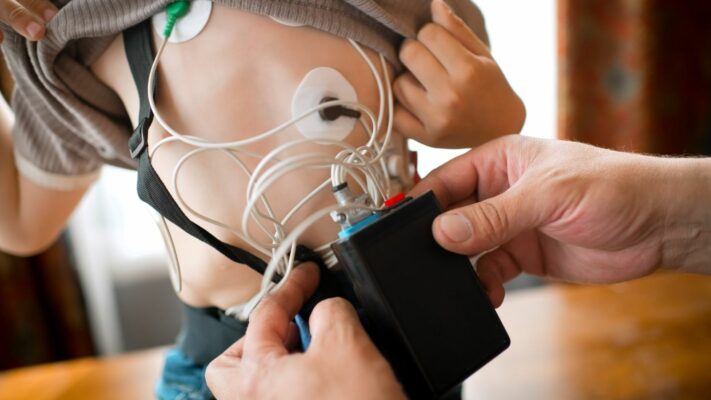
- A normal rhythm holter result
- No problems in the exercise test
If everything appears normal in detailed evaluations performed at the end of this 6-month period, the child is allowed to gradually return to sports. During this period light walking may be permitted, but competitive activities, exercises that significantly increase heart rate, and school team training are strictly prohibited. The aim is to protect the child from the risk of sudden cardiac death.
How Should Long-Term Follow-Up Be in a Child Who Has Had Myocarditis?
Families of children diagnosed with myocarditis should feel reassured because the majority of children recover completely and continue their lives without any permanent damage to the heart. Heart functions regain their previous strength and the child continues normal life. However, as with any disease, there are exceptions.
In a small portion of cases, inflammation in the heart muscle may leave scar tissue during healing or the heart muscle may thin and enlarge. This condition, called “Dilated Cardiomyopathy,” represents a chronic heart failure picture and may require long-term medication therapy. In very rare cases, the process may even lead to heart transplantation.
Because of these risks, every child who has had myocarditis is not removed from follow-up even if considered recovered. Follow-up continues under pediatric cardiology supervision, more frequently in the first year and then with annual check-ups. During these evaluations the size of the heart, its contraction power, and its rhythm are assessed. Problems detected early are always easier to manage.
In Which Situations Should Families Seek Medical Attention?
Parents’ instincts and observations are the most valuable tools for early diagnosis. A simple infection lasting longer than normal or recovery not progressing as expected should be considered a warning sign.
Situations that require attention include:
- Unexplained extreme fatigue
- Persistent chest pain
- Shortness of breath
- Rapid pulse even at rest
- Palpitation attacks or irregular heartbeat
- Refusal to feed
- Fainting episodes
Especially if your child’s fever has decreased but the pulse is still beating very fast (tachycardia), if you notice the heart beating strongly even during sleep, or if the child becomes breathless with minimal exertion, you should seek medical attention without delay. Early diagnosis allows treatment to begin before the heart becomes exhausted and significantly increases the chance of recovery.
Frequently Asked Questions
After which viral infections can myocarditis occur in children?
Myocarditis in children can usually develop after viral infections such as influenza, adenovirus, parvovirus B19, or COVID-19. These infections may target the heart muscle and cause inflammation.
Can myocarditis cause permanent heart damage in children?
In some children, myocarditis may lead to permanent weakening of the heart muscle, heart failure, or rhythm disorders. Early diagnosis and treatment can reduce this risk, but it may not be completely eliminated.
What should children who have had myocarditis pay attention to in the long term?
Children who have had myocarditis should limit physical activities, attend regular heart check-ups, and adopt a lifestyle that supports heart health. The recovery process should be monitored individually.
Can myocarditis cause heart rhythm disorders in children?
Yes, myocarditis may affect heart muscle cells and disrupt the conduction system. This may lead to tachycardia, bradycardia, or irregular heartbeats in children. Treatment may be required.
Can the symptoms of myocarditis in children be confused with influenza?
Yes, since initial symptoms include fatigue, fever, loss of appetite, and chest pain, it may be confused with influenza. However, serious findings such as shortness of breath, fainting, and palpitations should be carefully evaluated.
How is myocarditis definitively diagnosed in children?
ECG, echocardiography, and blood tests are used for preliminary diagnosis. Cardiac MRI is currently the most important and powerful non-invasive diagnostic tool. However, a definitive diagnosis can be made by taking a sample from the heart. With these tests, inflammation in the heart muscle, dysfunction, and possible rhythm problems can be detected.
Can myocarditis cause sudden death after exercise in children?
Although rare, intense exercise may cause sudden cardiac arrest in children with undiagnosed or insufficiently recovered myocarditis. Therefore, restriction of physical activity is important.
Is intensive care necessary in the treatment of myocarditis in children?
Depending on the severity of the condition, some children may be monitored in intensive care. If heart functions are severely affected, medication therapy, respiratory support, and even temporary heart support devices may be required.
What is done if heart failure develops due to myocarditis in children?
If heart failure develops, diuretics, medications that support the heart muscle, and if necessary mechanical support devices may be used. In the long term, heart transplantation may even be considered.
How long does recovery take after myocarditis in children?
Recovery may take a few weeks in mild cases, while severe cases may take months. Even if heart functions return to normal, follow-up may continue for several years.
Blog Posts

Exercise Stress Test in Children: Purpose, Procedure and Results
Exercise stress testing in children is [...]
Read More
29
Sep
Sep
Holter ECG Monitoring in Children: Procedure, Uses and Results
Holter ECG in children is a [...]
Read More
29
Sep
Sep

Pediatric Echocardiography (ECHO): Procedure, Uses and Results
Pediatric echocardiography is a painless ultrasound [...]
Read More
29
Sep
Sep
Pediatric ECG (Electrocardiogram): Procedure, Uses and Results
Pediatric ECG (Electrocardiography) is a completely [...]
Read More
29
Sep
Sep

Pulmonary Valve Stenosis: Symptoms, Causes, Diagnosis and Treatment
Pulmonary valve stenosis (pulmonary stenosis) is [...]
Read More
29
Sep
Sep
Ventricular Septal Defect (VSD): Symptoms, Causes and Treatment Options
Ventricular septal defect (VSD) is a [...]
Read More
29
Sep
Sep
Atrial Septal Defect (ASD): Symptoms, Causes and Treatment Options
Atrial septal defect (ASD) is a [...]
Read More
29
Sep
Sep

Shortness of Breath in Children: Causes, Symptoms and Treatment Options
Shortness of breath in children is [...]
Read More
10
Aug
Aug