
 Türkçe
 Deutsch
 العربية
 Русский

Pre-sport cardiac evaluation in children is a systematic medical assessment performed to determine potential cardiac risks before starting physical activity. This evaluation includes detailed history taking, physical examination, and advanced tests when necessary. The aim is to reduce the risk of sudden cardiac events and ensure safe participation in sports.
Pre-sport cardiac screening methods include questioning symptoms such as sudden death in the family history, fainting, palpitations, and chest pain. During the physical examination, heart murmurs, rhythm irregularities, and blood pressure measurements are evaluated. If suspicious findings are present, electrocardiography and echocardiography may be planned.
Risk factors for sudden cardiac death in children include hypertrophic cardiomyopathy, congenital/structural heart diseases, coronary artery problems, and rhythm disorders. Early diagnosis allows appropriate treatment and decisions regarding sports restriction. Therefore, regular check-ups and specialist evaluation are clinically important.
The frequency of pediatric athlete examinations is determined according to the child’s age, the type of sport, and the current health condition. Periodic cardiological evaluation is recommended for children participating in competitive sports. Appropriate follow-up increases performance safety and contributes to preventing possible complications.
| What You Need to Know | Information |
| Purpose | The purpose of pre-sport heart evaluation in children is to detect structural or rhythm disorders that may increase the risk of sudden cardiac death and serious cardiac events at an early stage. The goal is to ensure cardiovascular safety, especially in children who will participate in competitive sports. |
| Which Children It Is Recommended For | It is recommended for children who will participate in competitive sports, those who will join intensive training programs, those with a family history of sudden cardiac death, those with known heart disease, or children describing cardiac symptoms. |
| Age of Evaluation | It is generally applied to children and adolescents between the ages of 6–18. It may be repeated before competitive sports and at certain intervals (usually every 1–2 years). |
| Detailed Medical History | Symptoms such as chest pain, fainting with exertion (syncope), palpitations, shortness of breath, and exercise intolerance are questioned. In addition, previous heart diseases and a family history of sudden death under the age of 50 are investigated. |
| Importance of Family History | A family history of hypertrophic cardiomyopathy, long QT syndrome, arrhythmogenic right ventricular cardiomyopathy, Marfan syndrome, or sudden cardiac death may be an indicator of high risk. |
| Physical Examination | Heart murmur, irregular heart rhythm, pulse differences, blood pressure measurement, and physical findings related to Marfan syndrome are evaluated. |
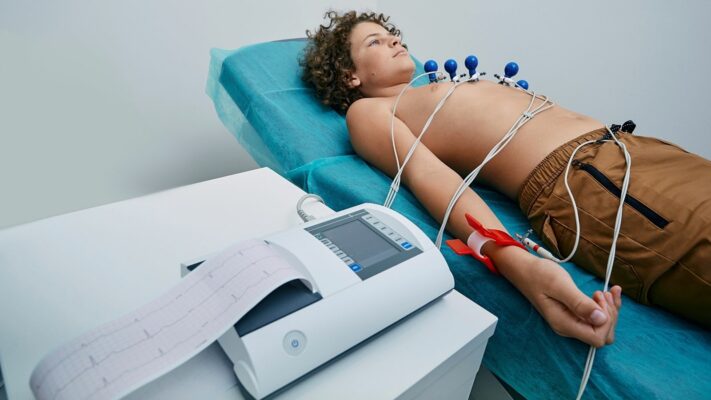
| Electrocardiography (ECG) | Evaluates the heart rhythm and conduction system. It provides screening for long QT syndrome, pre-excitation (WPW), signs of ventricular hypertrophy, and some cardiomyopathies. |
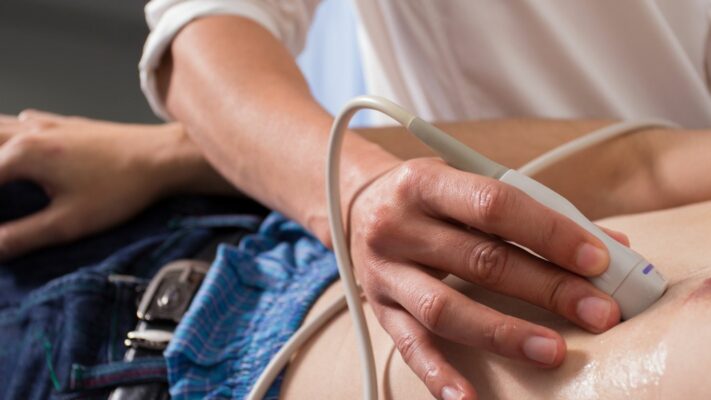
| Echocardiography | Used to evaluate heart valves, heart muscle thickness, and structural anomalies. It is especially performed if suspicious examination or ECG findings are present. |
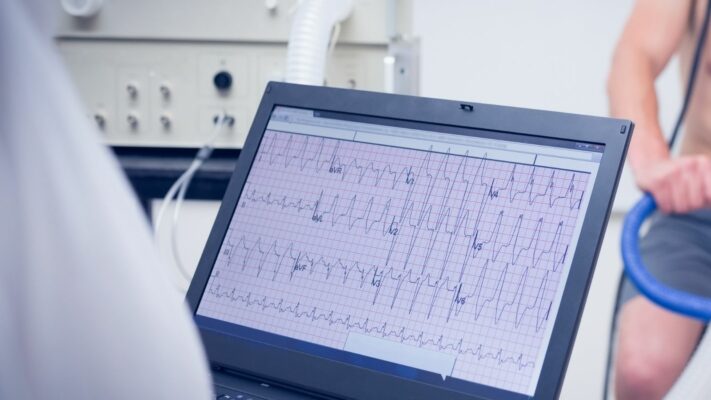
| Exercise Test | Performed in selected cases to evaluate rhythm disorders during exercise or signs of ischemia that occur with exertion. |
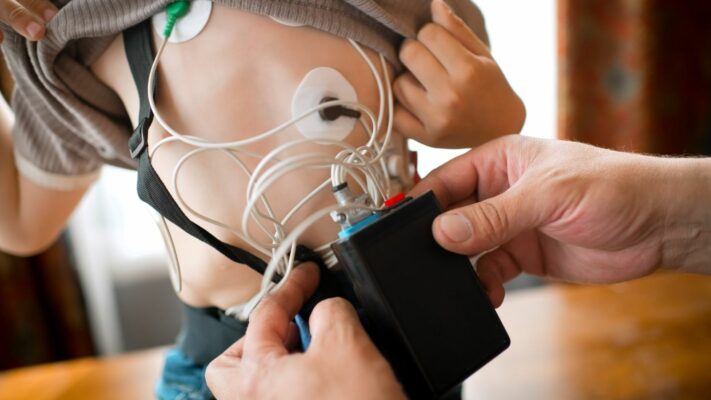
| Holter Monitoring | Helps investigate arrhythmia by recording the heart rhythm for 24–48 hours during daily life. |
| Detectable Diseases | Hypertrophic cardiomyopathy, dilated cardiomyopathy, arrhythmogenic right ventricular cardiomyopathy, congenital coronary artery anomalies, long QT syndrome, and other hereditary arrhythmias can be detected. |
| Risk Assessment | According to the findings, the child may be classified into low, moderate, or high risk groups. This evaluation is used to determine suitability for sports participation. |
| Decision on Sports Eligibility | As a result of the evaluation, the child may be found suitable for participation in all sports, certain sports may be restricted, or further examinations may be required. |
| Follow-Up and Monitoring | If normal findings are present, re-evaluation at certain intervals is recommended. If abnormal findings are detected, regular cardiological follow-up is required. |
| Prevention of Sudden Cardiac Death | With early diagnosis and appropriate sports guidance, the risk of sudden cardiac death can be significantly reduced. |
| Family Education | Families should be informed about warning signs that may occur during exercise (fainting, chest pain, palpitations). |

PROF. DR.
İbrahim Cansaran TANIDIR
Pediatric Cardiology Specialist
İbrahim Cansaran TANIDIR
Pediatric Cardiology Specialist
Prof. Dr. İbrahim Cansaran Tanıdır is an internationally recognized expert with nearly 20 years of clinical, academic, and interventional experience in congenital heart diseases, pediatric interventional cardiology, hybrid procedures, and radiation-reduced / fluoroscopy-free catheterization techniques.
To date, he has performed more than 10,000 pediatric cardiac catheterization procedures both in our country and abroad; and has pioneered advanced interventional and hybrid applications in complex structural heart diseases in our country. His academic productivity represents a strong scientific authority with 110 SCI/SCIE publications, 1,440 citations, and an H-index of 18 (Google Scholar, 2025).
Why Should I Have a Comprehensive Cardiovascular Evaluation Before My Child Starts Sports?
Sports are an indispensable tool for both the physical and psychological development of children, and as physicians we always encourage every child to be active, join teams, and participate in sports fields. However, on the other side of the coin are the serious physiological loads brought by sports. The risk of sudden cardiac events in young athletes is statistically about 2.5 to 3 times higher than in their peers who do not participate in sports. When this statistic is first heard, it may sound quite frightening for parents, but there is a very subtle line that needs to be correctly understood here:
The risk does not arise from sports itself. During exercise
- An increase in stress hormones such as adrenaline occurs in the body,
- Changes in blood acid levels occur, and
- Electrolyte imbalances occur due to intense sweating.
If the child’s heart has a genetic or congenital vulnerability, these physiological changes may trigger “malignant” rhythm disorders. As pediatricians, our duty is to detect these “silent” diseases before the child even steps onto the field, before putting on the jersey and starting to sweat. For this reason, examinations performed during licensing procedures are actually a great opportunity for your child to undergo perhaps the most detailed cardiac check-up of their life.
What Is Sudden Cardiac Death and How Often Is This Condition Seen That Threatens Our Children?
Sudden Cardiac Death (SCD) is the loss of life due to cardiac causes within a very short time after the onset of symptoms, usually less than one hour. This situation is an unimaginable scenario for any parent, but awareness saves lives. The frequency of this tragic event in young athletes varies depending on the studies conducted and the population examined, but it is generally reported as 1 to 3 cases per 100,000 athletes.
There is also an important gender difference that should be noted here. When we look at statistics, we see that male athletes are at significantly higher risk compared to female athletes. The reasons for this difference include:
- Higher participation of males in intense physical activity
- More aggressive progression of genetic heart diseases in males
- Effects of male hormones on the heart muscle
It is known that the risk is higher in sports such as basketball, which require sudden and high power output, frequent starts and stops, and sprinting, compared to other branches. Therefore, if your child is starting a competitive sport that requires intense effort, our sensitivity during examination increases accordingly.
Which Anamnesis Questions Will You Ask Us Before or During the Examination?
The most powerful weapon of cardiovascular screening is actually the answers you provide. In medical language, we call this “systematic anamnesis.” Even before the most advanced technological devices and MRI machines, a properly obtained history provides clues to many diseases. The questions we ask are not casual conversation questions; each one is a “key” question designed to rule out a specific disease.
First, we focus on the personal health history. The experiences your child has had in the past guide us. The main topics we question include whether your child has ever experienced the following while exercising:
- Fainting
- Chest pain
- Palpitations
- Shortness of breath
- Quick fatigue
The answers to these questions are the most basic data that determine whether further tests are required. For a pediatrician, these responses are like the key to the door that opens to the hidden world of the heart:
Which Symptoms My Child Experiences During Exercise Are Considered Red Flags?
Children often hesitate to express their complaints during play or training. They may be afraid of being removed from the game, falling behind their friends, or being scolded by their coaches. Therefore, parents must be very good observers. The most important distinction for us, which creates a “red flag” or urgent alarm situation, is when the symptoms occur. What happens during exercise is very valuable for us. Complaints occurring after exercise while resting are generally more innocent.
If your child has the following situations, you should be cautious:
- Sudden fainting while running
- Blurred vision and dizziness
- A feeling of pressure in the chest / chest pain
- Heart beating rapidly as if it will jump out
- Unexplained extreme fatigue
Especially if your child becomes breathless while peers continue training, has to stop and place their hands on their knees, this situation should not simply be explained as “lack of fitness” or “being out of shape” before the heart is structurally examined. Fainting triggered by exercise is considered cardiac in origin until proven otherwise and must be taken very seriously.
Contact us now to get detailed information about treatments and to create an appointment!
How Does Having Heart Disease in Our Family Affect My Child’s Sports Life?
Having heart disease in the family does not mean that your child can never participate in sports; it simply means that they need to be examined more carefully. Thickening of the heart muscle (Hypertrophic Cardiomyopathy), right ventricular diseases, or genetic rhythm disorders often show familial transmission. Genetics are like codes that determine the fate of the heart.
Family-related risk factors we investigate include:
- Sudden deaths under the age of 30–40
- Unexplained traffic accidents
- Drowning of individuals who are good swimmers
- Sudden deaths during sleep
- Young relatives who had pacemakers implanted
Having individuals in the family with such diagnoses automatically places your child in the “high-risk” group. For example, connective tissue diseases such as Marfan syndrome may also be familial and these children may have a risk of enlargement of the aorta, the main artery. In such cases, the child may need to avoid contact sports where chest impact may occur. Our basic approach here is not “to forbid” but “to manage.”
What Is the Doctor Looking For When Listening to My Child’s Heart During the Physical Examination?
Listening with a stethoscope (auscultation) is like creating an audible map of the heart. The sounds produced when the heart valves open and close give us information about blood flow inside. The most common finding we encounter in children is “murmurs.” A murmur is an additional sound produced by blood flowing within the heart.
However, not every murmur is a sign of disease. Innocent murmurs heard in many children have the following characteristics:
- Low intensity
- Musical tone
- Changes with position
- Disappears with growth
These are completely normal and do not prevent participation in sports. However, some murmurs are harsh, intense, or heard during the relaxation phase of the heart; these are pathological. These sounds are heard when there is narrowing or leakage in the heart valves. In addition, we do not only listen to the heart during examination; we also check pulses in the groin (femoral). If the femoral pulse is weak, this is the strongest evidence of a congenital narrowing in the aorta (coarctation). Blood pressure measurement is also an integral part of this process.
Is It Necessary to Have an ECG and Does This Procedure Give My Child Radiation?
There are many misconceptions in society about electrocardiography (ECG). The most common concern we hear is that ECG involves radiation or that electricity is given to the child. ECG is completely harmless; it does not give anything to the body, it only detects the microscopic electrical signals produced by the heart itself and records them on paper. It is a painless procedure that takes only seconds.
Although the inclusion of ECG in routine screening is debated worldwide, we as child health specialists and cardiology societies argue that ECG significantly increases the sensitivity of screening. It is not possible for us to understand electrical problems just by listening with a stethoscope.
Silent diseases that can be detected with ECG include:
- Long QT Syndrome
- Brugada Syndrome
- Wolff-Parkinson-White (WPW)
- Signs of heart muscle thickening
These diseases do not alter the structure of the heart, they only affect its electrical system; therefore fatal risks can be detected on ECG even when ultrasound or examination is normal. For this reason, requesting an ECG during your child’s pre-sport evaluation is one of the most important steps that completes the safety chain.
Are Children’s ECG Results Different from Those of Adults?
Yes, they are definitely different. A child’s heart is not simply a small adult heart. Children’s heart rates, electrical conduction times, and voltage criteria continuously change with age. Some ECG findings that indicate “heart attack” or “disease” in adults may be completely normal as part of the natural growth process in children and adolescents.
Common ECG findings that are considered normal in children include:
- High heart rates
- Sinus arrhythmia
- Right axis deviation
- Juvenile T wave
- Short PR intervals …
Therefore, you should not panic by looking at automatic device interpretations in the ECG report. Devices generally interpret using adult algorithms and may diagnose a healthy child with “infarction” or “ischemia.” For example, negative waves seen in chest leads in an adolescent may be normal. Changes in heart rate with breathing (sinus arrhythmia) are very common in children who do sports and indicate that the heart is functioning healthily. Distinguishing these nuances is part of the pediatrician’s expertise.
Contact us now to get detailed information about treatments and to create an appointment!
What Are Advanced Diagnostic Methods and When Are They Needed?
If we encounter a suspicious situation during the initial examination or ECG, we do not leave things to chance and request advanced tests. At this point, pediatric cardiology specialists become involved. The most commonly used method is Echocardiography (ECHO). ECHO is the live imaging of the inside of the heart using sound waves. It does not contain radiation. It allows us to measure the thickness of the heart walls, the structure of the valves, and the main vessels leaving the heart with millimetric precision.
Other advanced tests we use include:
- 24-hour rhythm holter monitor
- Exercise test (treadmill test)
- Cardiac MRI
- CT angiography
- Genetic tests
Sometimes a child may say “my heart beats very fast when I run” but the ECG at that moment is normal. In order to detect rhythm disorders, 24-hour or even 72-hour rhythm monitoring (Holter) may be necessary. Or an “Exercise Test,” in which we stress the heart and measure its response, is applied. The exercise test is particularly valuable for revealing hidden rhythm disorders triggered by exercise (for example Catecholaminergic Polymorphic Ventricular Tachycardia).
What Is “Athlete’s Heart” and Is This Condition a Permanent Disease?
The hearts of children who train regularly and intensively undergo some structural changes to adapt to the increased workload. In medical literature we call this “Athlete’s Heart.” This is not a disease but a completely physiological and healthy adaptation process. The heart may slightly enlarge its chambers or thicken its walls somewhat in order to pump more blood.
Characteristic features of the athlete’s heart include:
- Low heart rate at rest
- Enlargement of heart chambers
- Increase in heart wall thickness
- Early repolarization findings on ECG
However, the critical point here is not to confuse this healthy change with disease. For example, wall thickening in athlete’s heart may look very similar to thickening seen in Hypertrophic Cardiomyopathy, which is a fatal disease. To differentiate them, we examine whether the thickening is symmetrical and the width of the heart cavity.
When Can a Child Who Has Had Myocarditis Return to Sports?
Myocarditis is inflammation of the heart muscle that usually develops after viral infections (influenza, cold, COVID-19, etc.). It is responsible for approximately 6% of sudden deaths in young athletes. If your child describes chest pain, extreme fatigue, or palpitations during a severe flu-like infection, this situation should never be overlooked. A viral infection may affect not only the nose or throat but also the heart.
Rules for returning to sports after myocarditis include:
- At least 3–6 months of rest
- Evidence that inflammation has resolved
- Normal ECHO findings
- Normal ECG
- Normal exercise test result
An athlete diagnosed with acute myocarditis must stay away from competitive sports until the recovery process is completed. Exercising with an inflamed heart muscle invites fatal rhythm disorders. The decision to return to sports should not be rushed. Even during a simple flu infection, not sending your child to training and ensuring they rest is the simplest and most effective measure to reduce the risk of myocarditis.
How Does the Health Report Process Work for Obtaining a Sports License in Türkiye?
In our country, this process has now become completely digital and is carried out through the “e-Rapor” system of the Ministry of Health. The procedure actually begins at home before you visit the doctor. As the first step, you must fill out the “Personal Health Information Form” through e-Devlet. In this form you declare your child’s past surgeries, chronic diseases, and current complaints. Without completing this form, the system technically does not allow the physician to issue the report.
The steps of the report process include:
- Completing the e-Devlet form
- Physician examination
- Referral to cardiology if necessary
- Approval with e-signature
- Creation of the digital report
The physician reviews your declaration through the system, performs the physical examination, and requests an ECG if necessary. If everything is normal, the report is approved with an electronic signature. The report instantly appears in the e-Nabız and e-Devlet systems; you no longer need to print paper copies, look for stamps, or circulate documents manually. These reports are usually valid for 1 year. However, some clubs may request more frequent checks for athletes under the age of 18.
If a Problem Is Detected, Does My Child Have to Quit Sports Completely?
This is the biggest fear of parents: “What if something is found and my child’s dreams end?” The approach of modern medicine is no longer based on strict “prohibition” but on “managing through risk analysis.” If a heart disease is detected, the severity of the disease and the risk of sudden death are first determined. In some cases (for example severe Hypertrophic Cardiomyopathy), high-intensity competitive sports (such as basketball or football) may be risky.
However, this does not mean that the child must remain inactive. Alternative activities that may be done include:
- Golf
- Shooting
- Billiards
- Table tennis
- Recreational walking
Sports with low static and dynamic components or light recreational activities may be recommended. Some children with rhythm disorders may recover completely after appropriate medication therapy or ablation procedures and return to sports fields, even to competitive sports. The important point is that the decision should be made transparently within the triangle of athlete, family, and physician, based on scientific evidence.
Frequently Asked Questions
Which tests are included in pre-sport heart evaluation in children to reduce the risk of sudden cardiac death?
Pre-sport heart evaluation in children includes a detailed patient and family history, physical examination, and resting ECG. Echocardiography and exercise testing are performed when necessary. The aim is to detect structural heart diseases and rhythm disorders early.
In which children should pre-sport heart evaluation be performed in more detail?
Evaluation is more comprehensive in children with a family history of sudden death, fainting, palpitations, chest pain, or known heart disease. Advanced imaging and rhythm analyses may be required in this group.
How does pre-sport heart evaluation detect hypertrophic cardiomyopathy in children?
Detection of a murmur during physical examination and abnormalities on ECG raise suspicion. Echocardiography and sometimes MRI are used for definitive evaluation. Early diagnosis helps reduce risk in high-intensity sports.
Why is ECG important during pre-sport heart evaluation in children?
ECG shows rhythm disorders and electrical conduction problems. Conditions with sudden death risk such as long QT syndrome, ARVD, and Brugada Syndrome can be detected with ECG and sports participation can be planned accordingly.
In which age group should pre-sport heart evaluation definitely be performed in children?
It is recommended for all children and adolescents who will participate in competitive sports. Evaluation is especially important during adolescence because heart muscle diseases may become more evident during this period.
How is pre-sport heart evaluation planned in children who experience fainting?
Fainting related to exercise is a serious warning sign. In this situation ECG, exercise testing, and holter monitoring are performed. If a rhythm problem is suspected, advanced tests (genetic analysis, tests that stimulate the heart muscle and rhythm disorders with intravenous medications, rhythm disorder testing with angiography) may be performed. Intensive sports are not allowed until the underlying rhythm disorder is excluded.
How does pre-sport heart evaluation affect sports participation in children with congenital heart disease?
Sports restriction varies depending on the type and severity of the disease. Controlled sports participation may be possible in mild heart diseases, but high-intensity activities may be limited in serious structural problems.
Why is pre-sport heart evaluation important in children with additional diseases such as obesity or diabetes?
Obesity and diabetes create additional strain on the heart. In these children, blood pressure, rhythm, and exercise tolerance are carefully evaluated. Safe sports participation is ensured with an appropriate exercise plan.
How often should follow-up be performed after pre-sport heart evaluation in children?
In normal results, annual control is usually sufficient. Earlier evaluation is required if new symptoms or complaints develop. Follow-up intervals are determined by the cardiologist in children at risk.
What complications may occur if pre-sport heart evaluation is not performed in children?
Undiagnosed heart diseases may lead to serious rhythm disorders during intense exercise. Rarely, sudden cardiac death may occur. Therefore early screening is critically important for safe sports participation.
Blog Posts
Exercise Stress Test in Children: Purpose, Procedure and Results
Exercise stress testing in children is [...]
Read More
29
Sep
Sep
Holter ECG Monitoring in Children: Procedure, Uses and Results
Holter ECG in children is a [...]
Read More
29
Sep
Sep
Pediatric Echocardiography (ECHO): Procedure, Uses and Results
Pediatric echocardiography is a painless ultrasound [...]
Read More
29
Sep
Sep
Pediatric ECG (Electrocardiogram): Procedure, Uses and Results
Pediatric ECG (Electrocardiography) is a completely [...]
Read More
29
Sep
Sep

Pulmonary Valve Stenosis: Symptoms, Causes, Diagnosis and Treatment
Pulmonary valve stenosis (pulmonary stenosis) is [...]
Read More
29
Sep
Sep
Ventricular Septal Defect (VSD): Symptoms, Causes and Treatment Options
Ventricular septal defect (VSD) is a [...]
Read More
29
Sep
Sep
Atrial Septal Defect (ASD): Symptoms, Causes and Treatment Options
Atrial septal defect (ASD) is a [...]
Read More
29
Sep
Sep

Shortness of Breath in Children: Causes, Symptoms and Treatment Options
Shortness of breath in children is [...]
Read More
10
Aug
Aug