
 Türkçe
 Deutsch
 العربية
 Русский

Heart spasm (chest tightness) is a condition in which the muscles in the walls of the coronary arteries that supply the heart suddenly and temporarily contract, reducing blood flow to the heart muscle and creating severe pressure in the chest. Even when there is no permanent blockage in the vessel, this condition may deprive the heart of oxygen. It generally presents with symptoms such as sudden chest pain at rest, shortness of breath, and cold sweating. The main causes include intense emotional stress, cold weather, and certain systemic disorders that affect the vascular structure. Treatment for heart spasm consists of special medications administered under specialist supervision and lifestyle changes aimed at avoiding triggering factors.
Is Chest Tightness in Children Always a Dangerous Condition?
Complaints such as pain, stabbing sensations, or chest tightness felt in the chest during childhood and adolescence can create extremely stressful and frightening moments for parents. It is entirely natural for the first possibility that comes to mind to be a heart attack, which is commonly encountered in adults. However, statistical data show that the vast majority of childhood emergency department visits for chest pain are caused by non-cardiac conditions. Many of the pains experienced in this age group are harmless conditions related to growth processes or muscular structures that resolve spontaneously over time.
Nevertheless, the fact that chest tightness is largely caused by benign conditions does not mean that this symptom can be ignored. When a true coronary spasm or structural heart problem is present, recognizing the condition early and taking precautions is vitally important. For this reason, symptoms should be taken seriously, and specialist advice should be sought to determine the actual underlying cause of the complaints.
What Is Heart Spasm or Chest Tightness in Medical Terms?
To understand heart spasm, it is first necessary to examine the structure of the vessels that supply the heart. Around these vessels is an invisible layer of smooth muscle that regulates the width of the vessel. Under normal conditions, these muscles widen or narrow the vessel according to the body’s needs. However, in the condition referred to as chest tightness, this muscular layer suddenly contracts in an uncontrolled manner.
Unlike typical heart attacks seen in adults, heart spasm may occur without a fixed obstruction inside the vessel, such as a cholesterol plaque or blood clot. Even if the vessel itself is physically clear, the sudden inward contraction of its walls blocks the passage of blood. This temporary lack of oxygen places considerable stress on the affected area of the heart. The spasm generally tends to resolve spontaneously within a few minutes, but it causes significant discomfort during that time.
What Causes Heart Spasm During Childhood and Adolescence?
Various physiological and environmental factors may cause the coronary arteries to contract suddenly in children and adolescents. Impaired function of the inner lining of the vessels, known as the endothelium, which maintains the balance between contraction and relaxation, is one of the primary mechanisms that creates a predisposition to spasm. One of the leading conditions that may cause this problem is Kawasaki disease experienced during childhood. If this febrile illness is not recognized in time, it may cause inflammation in the coronary arteries and impair the elasticity of the vessel walls. In addition, energy drinks, protein powders, electronic cigarettes, or similar substances used by children may also trigger spasms.
In conditions where the heart muscle becomes excessively thick because of genetic factors, the heart’s oxygen requirements may become so high that even normal blood flow cannot meet them. At such times, the heart muscle may contract in response to insufficient oxygen and produce pain resembling a spasm.
Which Environmental Factors Can Trigger a Heart Spasm Attack?
External factors that trigger sudden constriction of the coronary arteries are closely related to the individual’s daily habits and environment. Certain conditions with vessel-constricting effects may especially increase the likelihood of a spasm.
Common triggers include:
- Cold weather
- Emotional stress
- Severe anxiety
- Strenuous exercise
- Magnesium deficiency
- Tobacco smoke or products such as electronic cigarettes
- Stimulant substances
- Energy drinks
What Characteristics Do the Symptoms of Chest Tightness Have?
The symptoms caused by heart spasm tend to occur while the patient is resting rather than during physical exertion. A distinctive feature of these attacks is that they may be severe enough to wake the individual from sleep in the middle of the night or very early in the morning. The pain is usually felt in the center of the chest, behind the breastbone, as a heavy pressure or crushing sensation.
Symptoms during an attack include:
- A sensation of pressure
- Burning in the chest
- Cold sweating
- Nausea
- Pain spreading to the left arm
- Neck pain
- Jaw pain
- Shortness of breath
What Are the Main Differences Between Heart Spasm and a Classic Heart Attack?
Although chest tightness and a heart attack often produce similar symptoms, the underlying processes are different. In a heart attack, the inside of the vessel is generally completely blocked by the rupture of a plaque or the formation of a blood clot, and this blockage does not resolve without medical intervention. Because oxygen deprivation continues for a long time, permanent damage to the heart muscle begins to develop.
In heart spasm, however, the problem is the contraction of the vessel. This condition usually resolves within minutes, allowing the vessel to return to its original width and blood flow to resume. Unless the spasm lasts for a very long time, the likelihood of permanent damage to the heart tissue is relatively low. However, because both conditions may cause symptoms of similar severity, the differential diagnosis must be made using appropriate medical methods.
In Which Situations Can Chest Tightness Indicate an Emergency?
In children or adolescents experiencing chest pain, certain accompanying symptoms may indicate that the condition is no longer a harmless muscular pain but a serious heart-related problem. When these symptoms, known as “red flags” in medical evaluations, are present, no time should be lost.
Red flags include:
- Fainting
- Dizziness or blackout
- Heart rhythm disturbance
- Pain that begins or worsens with exertion
- Bluish discoloration
- Severe paleness
- Palpitations
In Which Conditions Does Chest Tightness Caused by Non-Cardiac Factors Occur?
Most chest pain experienced in younger age groups originates not from the heart but from other structures forming the rib cage. For example, inflammation in the cartilage areas where the ribs join the breastbone, known as costochondritis, causes severe stabbing pain during deep breathing or when the area is touched. Carrying a heavy backpack or experiencing intense coughing attacks may trigger this pain.
Another common condition is a harmless, sudden stabbing sensation lasting a few seconds known as “precordial catch.” In addition, stomach acid flowing back into the esophagus, known as reflux, may cause burning pain behind the breastbone. Lung diseases such as asthma that narrow the airways may also create severe chest tightness and imitate a heart spasm.
Which Congenital or Acquired Diseases Can Cause Heart Spasm?
Some cases of cardiac chest tightness are based on structural and anatomical problems. Congenital conditions such as aortic valve stenosis or pulmonary artery stenosis cause the heart to use excessive energy while pumping blood and therefore require more oxygen. When this increased demand cannot be met, pain resembling a spasm may occur.
In addition, conditions developing after infections, such as inflammation of the heart muscle (myocarditis) or inflammation of the membrane surrounding the heart (pericarditis), may cause severe pressure in the chest. Sudden and dangerous chest pain may also occur in certain hereditary connective tissue disorders because of enlargement and weakening of the main arteries.
Which Methods Are Used to Diagnose Chest Tightness?
In a patient presenting with chest pain, a careful and gradual investigation process is followed to determine whether the problem is truly a heart spasm. The initial aim is to collect information using the simplest and most reliable methods without exhausting the patient or creating unnecessary risk. Physical examination and detailed listening to the patient’s complaints form the basis of this process. Questions such as when the pain began, how long it lasted, and what relieved it are highly important in the differential diagnosis.
What Role Do ECG and Blood Tests Play in Diagnosing Heart Spasm?
The fastest and most common step in the diagnostic process is an electrocardiogram (ECG). ECG creates an electrical map of the heart and immediately records rhythm disorders and possible oxygen deprivation in the heart muscle on paper. If an ECG can be performed during a spasm attack, highly characteristic changes may be observed in the electrical waves. After the attack has passed, the ECG generally returns to normal.
Blood tests also provide highly valuable information. When heart muscle cells begin to suffer damage, they release special enzymes called “troponin” into the bloodstream. Measuring the level of these enzymes in the blood is a very useful method for determining whether chest pain has caused damage to the heart muscle.
What Is the Role of Echocardiography and Imaging Methods in Diagnosing Chest Tightness?
After electrical and chemical tests, an ultrasound method known as echocardiography is used to visualize the structural condition of the heart. This device, which operates using sound waves, displays the heart chambers, valve function, contraction strength, and the position of the major vessels in detail.
When more advanced information is required, special imaging techniques may be used. Computed tomography can examine the three-dimensional structure of the heart and vessels. The clearest method used to confirm a diagnosis of heart spasm is angiography. During this procedure, a special contrast agent is injected into the vessels, allowing narrowing, constriction, or structural abnormalities to be observed directly.
How Is Heart Spasm Treated with Medication?
The primary objective in treating heart spasm is to relax the constricted vessel and restore oxygen delivery to the heart muscle. Vasodilator medications taken under the tongue are used to achieve this rapidly during an attack. These medications enter the bloodstream very quickly, relax the muscles in the vessel walls, and improve blood flow.
A long-term medication plan is used to prevent attacks from recurring. At this stage, a group of medications known as calcium channel blockers is introduced. These medications are expected to help reduce the frequency of spasm attacks by preventing excessive reactions of the vascular muscles. Low-dose blood-thinning medications may also be added to the treatment plan to prevent possible clot formation. Medication generally contributes significantly to controlling patients’ complaints.
Which Interventional Methods Are Used in Advanced Cases of Chest Tightness?
More advanced interventions may be required when medication does not provide an adequate response, attacks become more frequent, or significant physical narrowing is detected in the vessels. Balloon angioplasty and stent placement are the most common procedures used in such cases.
A thin tube is advanced to the narrowed or constricted section of the vessel, where a special balloon is inflated. After the vessel has been widened, a wire mesh known as a stent is placed in the area to help prevent it from narrowing again. In very rare cases, surgical bypass procedures may be considered to create a new pathway for blood flow that avoids the problematic section of the vessel. These interventions aim to improve blood flow and enhance the patient’s quality of life.
What Can Be Done in Daily Life to Reduce the Risk of Heart Spasm?
In addition to medical treatment, changes made in daily life are an integral part of the recovery process. Protecting vascular health and avoiding factors that place stress on the heart play a major role in preventing new attacks. It is particularly recommended that the living environments of young individuals be made calmer and healthier.
Recommended lifestyle changes include:
- Regular sleep
- Light exercise
- A smoke-free environment
- Stress management
- Protection from cold weather
- Healthy communication
- Regular walking
- Developing hobbies
What Should Individuals at Risk of Chest Tightness Consider in Their Diet?
The foods consumed are among the most important factors in preserving the elasticity and health of the coronary arteries. Dietary habits should be reviewed to support cellular renewal and maintain balanced pressure inside the vessels.
Recommended foods include:
- Fresh vegetables
- Seasonal fruits
- Olive oil
- Fish
- Walnuts
- Almonds
- Oats
- Whole grains
On the other hand, certain foods and beverages that accelerate plaque formation inside the vessels and disrupt blood pressure balance should be avoided as much as possible.
Foods and beverages to avoid include:
- Excessive salt
- Solid fats
- Processed meats
- Sugary drinks
- Energy drinks
- Packaged snacks
- Fried foods
How Strongly Do Psychological Factors Affect Heart Spasm?
The human body responds to emotional and physical stress as a whole. In children and adolescents exposed to intense psychological pressure such as examination anxiety, family conflicts, or peer bullying, the body continuously releases stress hormones. These hormones accelerate the heartbeat and cause blood vessels to constrict, potentially increasing the risk of heart spasm.
In addition, hyperventilation, which involves very rapid and shallow breathing during intense anxiety, disrupts the carbon dioxide balance in the blood and may cause severe chest pain and palpitations resembling chest tightness. For this reason, providing psychological support to patients with chest pain and raising awareness about stress management make a major contribution to lasting recovery. Protecting psychological health is also one of the fundamental elements of physical health.
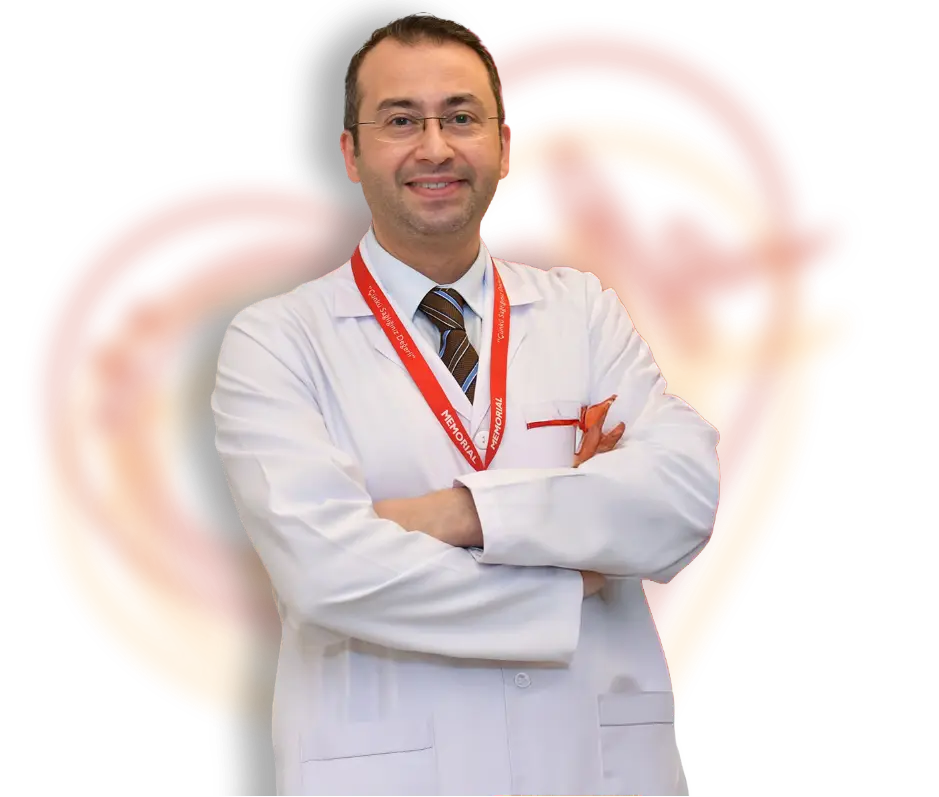
Prof. Dr. İbrahim Cansaran Tanıdır is an internationally recognized specialist with nearly 20 years of clinical, academic, and interventional experience in the fields of congenital heart diseases, pediatric interventional cardiology, hybrid procedures, and radiation-reduced / fluoroscopy-free catheterization techniques.
To date, he has performed more than 10,000 pediatric cardiac catheterization procedures both in Turkey and abroad, and has pioneered advanced interventional and hybrid applications in complex structural heart diseases in our country.
His academic productivity represents a scientifically strong authority with 110 SCI/SCIE publications, 1,440 citations, and an H-index of 18 (Google Scholar, 2025).


