
 Türkçe
 Deutsch
 العربية
 Русский

Syncope (fainting) in children is a brief loss of consciousness that develops as a result of a temporary decrease in blood flow to the brain. It usually occurs with triggers such as standing up suddenly, standing for a long time, hunger or dehydration, or intense stress. Although most cases are benign, the underlying cause must обязательно be evaluated.
Vasovagal syncope is the most common cause of fainting in children and is associated with a transient dysfunction of the autonomic nervous system. Prodromal symptoms such as dizziness, dimming of vision, nausea and cold sweating, and rapid heartbeat may accompany it. A proper history and physical examination are the fundamental steps in making the diagnosis.
Cardiac syncope is characterized especially by loss of consciousness developing during exercise and can potentially lead to serious consequences. Arrhythmias, structural heart diseases, and conduction disorders are included in the differential diagnosis. Electrocardiography and advanced cardiologic examinations may be required.
Fainting episodes due to neurological and metabolic causes may be associated with epilepsy, hypoglycemia, or electrolyte imbalances. The duration of loss of consciousness, the presence of convulsions, and the recovery process should be carefully evaluated. When necessary, neurological tests are planned.
| What You Need to Know | Information |
| Definition | Syncope is a sudden-onset, short-lasting, and spontaneously resolving loss of consciousness and tone (posture) that develops as a result of a temporary inability to provide sufficient blood flow to the brain. It is common in childhood and is mostly benign; however, in some cases it may be a sign of serious cardiac or neurological causes. |
| Epidemiology | Approximately 15–25% of children may experience at least one syncope episode by adolescence. It is most commonly seen during adolescence. It is slightly more common in girls. |
| Pathophysiology | Syncope is generally due to a transient reduction in cerebral blood flow. This can occur as a result of autonomic nervous system imbalance, cardiac rhythm disorders, structural heart diseases, volume loss, or changes in vascular tone. |
| Vasovagal (Reflex) Syncope | It is the most common type of syncope in children. It occurs with triggers such as standing for a long time, a hot environment, pain, fear, or stress. Prodromal symptoms such as dizziness, dimming of vision, nausea, and sweating are common. It is generally benign. |
| Orthostatic Hypotension | It occurs with a drop in blood pressure within the first few minutes after standing up. Dehydration, rapid growth periods, and certain medications are risk factors. |
| Cardiac Causes | Arrhythmias (long QT syndrome, supraventricular tachycardia, ventricular tachycardia), structural heart diseases (aortic stenosis, hypertrophic cardiomyopathy), and cardiomyopathies can cause syncope. Syncope occurring during exercise or sudden syncope without prodrome is a warning sign for a cardiac cause. |
| Neurological Causes | Epileptic seizures can be confused with syncope. Prolonged postictal confusion, tongue biting, and urinary incontinence favor seizures. However, brief convulsions may be seen in some types of syncope. |
| Metabolic Causes | Hypoglycemia, anemia, electrolyte disorders, and severe infections may lead to syncope-like loss of consciousness. |
| Psychogenic Causes | Psychogenic syncope (pseudosyncope) can be seen especially in adolescents. There is the impression of loss of consciousness, but there is no true reduction in cerebral blood flow. Attacks are usually prolonged and vital signs are stable. |
| Clinical Evaluation | A detailed history is the most important step. The onset and duration of the event, triggering factors, accompanying symptoms, and a family history of sudden death should be questioned. Physical examination and orthostatic blood pressure measurement should be performed. |
| Diagnostic Tests | Electrocardiography (ECG) is recommended for all children. When needed, Holter monitoring, echocardiography, tilt test (head-up tilt test), blood tests, and neurological evaluation may be performed. |
| Emergency Warning Signs | Syncope during exercise, a family history of sudden cardiac death, chest pain, palpitations, findings of severe heart disease, or the presence of neurological deficit require further evaluation. |
| Treatment Approach | In vasovagal syncope, increasing fluid intake, regulating salt consumption, and avoiding triggers are recommended. In cardiac or other underlying causes, specific treatment is planned. |
| Prognosis | The vast majority of childhood syncopes are benign and decrease with age. In cardiac syncope, prognosis depends on the underlying disease, and early diagnosis is important. |

PROF. DR.
İbrahim Cansaran TANIDIR
Pediatric Cardiology Specialist
İbrahim Cansaran TANIDIR
Pediatric Cardiology Specialist
Prof. Dr. İbrahim Cansaran Tanıdır is an internationally recognized expert with nearly 20 years of clinical, academic, and interventional experience in congenital heart diseases, pediatric interventional cardiology, hybrid procedures, and radiation-reduced / fluoroscopy-free catheterization techniques.
To date, he has performed more than 10,000 pediatric cardiac catheterization procedures both in our country and abroad; and has pioneered advanced interventional and hybrid applications in complex structural heart diseases in our country. His academic productivity represents a strong scientific authority with 110 SCI/SCIE publications, 1,440 citations, and an H-index of 18 (Google Scholar, 2025).
What happens inside the body during fainting (syncope)?
Understanding the mechanism underlying fainting is the most effective way to overcome fear. Our brain functions as the command center of our body, and in order to maintain this function it needs an uninterrupted fuel supply. This fuel is oxygen and glucose (sugar) carried by the blood. Our muscles can tolerate a lack of oxygen for a while, but brain cells are very sensitive in this regard; even a few seconds of interruption in blood flow can cause the “system to shut down.”
In normal physiology, when we stand up, gravity rapidly pulls blood toward the feet and legs. Against this powerful effect of gravity, our heart must work like a pump to deliver blood to the very top, namely the brain. At the moment of standing up, more than about half a liter of blood pools in the abdominal cavity and in the veins of the legs. This reduces the amount of deoxygenated blood returning to the heart. In a healthy body, sensitive pressure sensors located in the neck vessels, called “baroreceptors,” detect this drop within seconds. They send a signal to the brain: “pressure has dropped.” The autonomic nervous system immediately kicks in, slightly increases the heart rate, and constricts the leg vessels to push blood upward. In this way, blood pressure is stabilized.
When syncope develops, a temporary disruption occurs in this perfectly functioning adaptation mechanism. The body cannot adjust the blood pressure or heart rate needed at that moment. When blood flow to the brain falls below a critical threshold, the brain “throws the switch” to protect itself. Consciousness shuts off, muscle tone is lost, and the person collapses. When the person comes into a horizontal position, the effect of gravity disappears, blood rushes back to the brain, and consciousness returns. In other words, fainting is a defense mechanism by which the brain brings the body into a horizontal position to ensure cerebral blood flow.
How common is fainting (syncope) in children, and who is at risk?
Fainting is much more common in childhood than you might think. When patients presenting to outpatient clinics are evaluated, it is seen that a considerable proportion of children experience fainting at least once before reaching adulthood. The frequency of this condition peaks especially during adolescence, between the ages of 15 and 19.
There are several reasons why it is more common in girls than in boys.
- Rapid height growth during adolescence,
- Blood volume not keeping pace with vessel length,
- Hormonal fluctuations, and
- The remodeling process of the autonomic nervous system increases this predisposition.
For us as physicians, the main challenge is to distinguish the benign conditions that make up 95% of cases—what we call “vasovagal” or “orthostatic”—from the small but dangerous 5% group that carries a risk of sudden death.
What is the most common “Vasovagal Syncope,” and what are its symptoms?
More than half of fainting episodes in children and adolescents are referred to as “Vasovagal Syncope.” Also described by the public as “low blood pressure,” “feeling faint,” or “blacking out,” this condition does not result from a structural heart disease, but from an exaggerated and inappropriate response of the nerve network (the autonomic system) that controls the heart and vessels.
Here, the “Vagus” nerve plays the leading role. While in stress the body normally needs to speed up the pulse with a “fight or flight” response, in some individuals the Vagus nerve is overstimulated and produces the opposite effect. The heart rate suddenly slows down and the leg vessels dilate to the maximum. When blood rushes to the legs, the brain is deprived of blood. This condition usually occurs with certain triggers.
The factors that most commonly trigger vasovagal syncope are:
- Standing still for a long time
- Hot environments
- Stuffy and crowded places
- Hunger
- Dehydration or drinking little water
- Seeing blood
- Having blood drawn
- Receiving an injection
- Sudden fear
- Severe pain
- Excitement
- Stress
In this type of fainting, the event usually “gives warning.” Before fainting, the child feels some early symptoms. This is called the “prodrome” period.
The symptoms seen before vasovagal syncope are:
- Dizziness
- Dimming of vision
- Nausea
- Abdominal pain
- Cold sweating
- Pallor
- Ringing in the ears
- Sounds becoming muffled
- Urge to yawn
Contact us now to get detailed information about treatments and to create an appointment!
Which specific actions can cause Situational Syncope?
“Situational Syncope,” which we can think of as a subgroup of vasovagal syncope, as the name suggests, is triggered only during certain physical situations or actions. The basic mechanism here is that the action increases intrathoracic or intra-abdominal pressure, suddenly reduces the amount of blood returning to the heart, and stimulates the Vagus nerve. The most confusing aspect of these fainting episodes is that the child appears healthy at that moment but suddenly collapses with a specific movement.
Actions that can lead to situational syncope include:
- Severe coughing fits
- Sneezing
- Urinating
- Defecating
- Straining
- Swallowing, taking a large bite
- Drinking a hot beverage
- Drinking a cold beverage
- Playing a wind instrument
- Lifting weights
- Combing hair
- Braiding hair
In particular, “hair-grooming syncope” is an interesting presentation. Usually in girls, sudden fainting may develop during combing, pulling, or braiding the hair due to stimulation of nerves in the scalp. Although this greatly frightens the family, it usually does not indicate a heart problem.
Is a breath-holding spell seen in young children a type of Syncope?
Yes, technically it can be considered a type of syncope, but its mechanism and age group are different. “Breath-holding spells,” which we frequently see in children between 6 months and 5 years of age, are among the most difficult situations for parents to watch. These spells are not epilepsy (seizures), and they are not a behavior the child does intentionally out of stubbornness; they are a reflex phenomenon.
They generally present in two different types. In the most common “Cyanotic Type,” the event begins with a trigger. When the child is prevented, hurt, or frightened, they start crying intensely. At the peak of crying, they hold their breath (lock in expiration), the face and lips turn bluish, and then a brief loss of consciousness and limpness occur.
The other type, the “Pallid Type,” is more often seen after a sudden trauma or fear. For example, the child bumps their head on a table. Without even having a chance to cry, unable to even say “ow,” they suddenly turn pale and collapse. This is actually a variant of vasovagal syncope in infancy; due to the pain reflex, the heart rate slows down to the point of near standstill.
The features of breath-holding spells are:
- Between 6 months and 5 years of age
- Developing after crying
- Developing after fear
- Bluish discoloration
- Paleness
- Brief loss of consciousness
- Rapid recovery
Our most important advice to families is to remain calm. Even if the child becomes breathless at that moment, the brain will reflexively initiate fainting and restart breathing. Most children completely outgrow these spells by the age of 5–6.
Why does dimming of vision upon standing up (Orthostatic Hypotension) occur?
Dizziness and dimming of vision experienced when standing up suddenly from lying down or sitting is called “Orthostatic Hypotension.” The mechanism in this condition is slightly different from vasovagal syncope. While in vasovagal syncope there is a trigger of stress and an exaggerated response of the nervous system, in orthostatic hypotension the problem is an “insufficient response.”
The body cannot generate the pressure needed to pump blood upward against gravity. This is seen especially in adolescents whose vascular bed grows very rapidly, in children who do not take in enough fluids, or in patients who have been on prolonged bed rest. The vessels are delayed in constricting and pushing blood upward, blood pools in the legs, and the brain is temporarily deprived of fuel.
Factors that facilitate orthostatic hypotension include:
- Inadequate water intake
- Excessive sweating
- Diarrhea
- Vomiting
- Anemia
- Some antidepressants
- Diuretics
- Tall stature
- Rapid growth periods
Contact us now to get detailed information about treatments and to create an appointment!
Why is cardiac (heart-related) Syncope the most dangerous group?
Only a small portion—about 5%—of all childhood fainting episodes are cardiac in origin. However, this is the group we call the “needle in a haystack” that we must find and extract because it carries a risk of sudden death. In cardiac syncope, the problem is that the heart cannot pump blood to the brain. This results either from a mechanical narrowing in the heart’s outflow tract or from a serious failure in its electrical system.
In cardiac syncope, fainting usually occurs during exertion. While the child is running, the muscles demand a lot of oxygen; the heart tries to work faster and pump more blood, but a structural obstruction or rhythm disorder does not allow it. As a result, blood flow to the brain is suddenly interrupted.
Conditions that can lead to cardiac syncope include:
- Aortic stenosis
- Pulmonary stenosis
- Hypertrophic cardiomyopathy
- Cardiac tumors
- Long QT syndrome
- Brugada syndrome
- WPW syndrome
- Complete heart block
- Ventricular tachycardia
When you see a doctor, what is emphasized in the history (anamnesis)?
When you take your child to the doctor with a complaint of fainting, the most valuable thing your doctor will do is talk with you and, if available, the person who witnessed the event. We call this “anamnesis.” A well-taken history establishes 80% of the diagnosis without the need for expensive tests. Your doctor will try to piece together the details of the event like a detective.
The questions your doctor will seek answers to include:
- What time of day did the event occur?
- What was the child doing at the time?
- Was there hunger before the event?
- Was the environment hot?
- Did they have any complaint before fainting?
- What was the moment of falling like?
- Were there convulsions while on the ground?
- How long did they remain unconscious?
- How long did it take to come around?
- How were they after waking up?
- Is there sudden death at a young age in the family?
For example, a history that says, “In the morning at the school ceremony, while waiting under the sun, they first felt nauseated and then slowly collapsed,” points us directly toward vasovagal syncope and reassures us. However, saying, “In the middle of the match while running, they suddenly fell, and they felt nothing beforehand,” makes all alarm bells ring.
What do the physical examination and ECG (Electrocardiography) tell us?
After the history, it is time for the physical examination. Your doctor will carefully listen to your child’s heart for turbulent flow sounds we call a “murmur,” additional sounds, or rhythm irregularities. They will also measure blood pressure and pulse both while lying down and after having the child stand up. This measurement is very valuable for the diagnosis of orthostatic hypotension.
However, there is one “must-have” test that should be performed without exception in every child presenting with fainting: an ECG (Electrocardiography). The ECG is the electrical map of the heart. This simple paper strip—completely painless, radiation-free, and recorded within seconds—provides vital information.
Abnormalities that can be detected with an ECG include:
- Excessively slow heart rate
- Excessively fast heart rate
- Conduction blocks
- Signs of heart muscle thickening
- Long QT interval
- Short QT interval
- Brugada pattern
- Delta wave (a WPW finding)
- Premature beats (atrial or ventricular origin)
If a child’s history fits typical vasovagal syncope and the ECG is completely normal, the family can usually be reassured and sent home without any further tests.
In which cases should advanced tests and ECHO be performed?
If there are risky situations in the history, a family history of genetic heart disease, or even the slightest suspicion on the ECG, advanced cardiologic tests come into play. The aim of these tests is to examine the heart’s structure and rhythm in more detail.
Advanced diagnostic methods include:
- Echocardiography
- 24-hour rhythm Holter
- Exercise test
- Tilt table test (Head-Up Tilt Test)
- Event recorders
- Implantable loop recorder (ILR)
- Genetic tests
Echocardiography (ECHO) is an ultrasound of the heart and shows the heart’s valves, holes, and pumping strength. Rhythm Holter records every heartbeat for 24 hours with electrodes attached to the child’s chest; thus, hidden rhythm disorders that cannot be caught in the clinic can be detected. The tilt table test (Head-Up Tilt Test) is used to reproduce a fainting episode in a controlled laboratory setting in cases of unexplained and very frequent fainting.
How can fainting (syncope) be distinguished from a seizure (epilepsy)?
This is one of the issues families worry about most: “Could my child have epilepsy (seizure disorder)?” The reason for this confusion is that when the brain is deprived of oxygen, brief muscle jerks, twitches, or tremors can sometimes occur in the body. We call this “Convulsive Syncope.” However, this is not epilepsy; it is a response of the brain to reduced blood flow.
Clues that help us distinguish epilepsy from syncope include:
- In epilepsy, loss of consciousness is prolonged
- In epilepsy, the eyes may remain open
- In epilepsy, rhythmic convulsions occur
- In epilepsy, frothing at the mouth may occur
- In epilepsy, urinary incontinence is common
- In epilepsy, there is post-seizure drowsiness
- In syncope, loss of consciousness is brief
- In syncope, there is rapid recovery
- In syncope, orientation is not impaired
The most important distinguishing feature is the post-seizure state we call the “postictal period.” A child who has had an epileptic seizure is confused when they wake up, does not know where they are, is tired, and usually wants to sleep. A child who faints, on the other hand, wakes up as soon as blood reaches the brain, saying, “What happened to me, why am I on the ground?” and is immediately aware of their surroundings.
Which signs (Red Flags) require urgent specialist evaluation?
Although most fainting is harmless, there are certain signs that are “Red Flags” for us. If any of these are present, the child must be evaluated in detail by a Pediatric Cardiology specialist. It is vital for families to recognize these situations, where time should not be wasted.
Red flags requiring urgent specialist evaluation include:
- Fainting during exercise
- Fainting while lying down
- Fainting during sleep
- Sudden fall without preceding symptoms and the presence of trauma findings related to the fall
- Fainting that begins with palpitations
- Fainting that begins with chest pain
- Family history of sudden death
- Family history of a pacemaker
- Accompanying bluish discoloration of the lips
- Falls with injury
- Accompanying urinary incontinence
Especially fainting episodes that occur “during activity” (while running, swimming) are the group that worries us most. Fainting that occurs after the activity is over and while resting is usually due to blood pooling in the legs and is more benign.
What are the treatment and lifestyle changes for fainting (syncope)?
In cardiac syncope, treatment is determined according to the underlying disease (medication, ablation, pacemaker implantation, etc.). However, in vasovagal and orthostatic syncope, which make up the vast majority of cases, the main treatment is “education” and “lifestyle changes.” Medication is very rarely needed. The primary goal is to increase fluid volume in the body and support blood pressure.
Lifestyle changes recommended to families and children include:
- At least 2 liters of water per day
- Consuming salty ayran
- Consuming salty crackers
- Increasing the amount of salt in meals
- Avoiding standing for long periods
- Shortening the duration of hot showers
- Exercising regularly
- Getting out of bed slowly in the mornings
- Reducing caffeinated beverages
In addition, the child should be taught maneuvers to perform “the moment they feel they are going to faint.” As soon as the child’s vision dims, they should immediately lie down, without caring what others might think, and raise their legs by resting them on a chair or against a wall. This movement sends blood from the legs to the brain and prevents fainting.
If there is no place to lie down, maneuvers that can be applied include:
- Crossing and tensing the legs
- Squatting
- Hooking the hands and pulling in opposite directions
- Tensing the gluteal muscles
What is Psychogenic Syncope, and how should families manage the process?
In some cases, especially during adolescence, we encounter situations in which all tests are normal but fainting episodes recur very frequently. This is called “Psychogenic Pseudosyncope.” This does not mean the child is faking or lying; it is an unconscious, psychologically based condition. Stress, anxiety disorders, or unmanageable emotional burdens often manifest in this way.
In these patients, fainting usually occurs in crowds, when others are present. While unconscious, the patient keeps their eyes tightly closed, resists when the doctor tries to open them, and protects themselves when falling (they do not get injured). In this case, treatment should be continued with support from a child psychiatrist and psychologist rather than a cardiologist.
Frequently Asked Questions
Which heart diseases are specifically investigated during the evaluation of the causes of fainting (syncope) in children?
During syncope evaluation in children, rhythm disorders, long QT syndrome, cardiomyopathy, and structural heart diseases are specifically investigated. If there is a family history of sudden death, cardiac-origin causes should be ruled out as a priority.
How are neurological causes distinguished during the evaluation of the causes of fainting (syncope) in children?
Epilepsy, migraine, and rare brain diseases can be confused with syncope. The duration of loss of consciousness, the presence of convulsions, urinary incontinence, frothing at the mouth, and whether there is confusion afterward are evaluated. EEG and neurological examination help in the differential diagnosis.
In which age group should the evaluation of the causes of fainting (syncope) in children be performed more carefully?
Although vasovagal syncope is common in adolescence, fainting at a young age and fainting that occurs during exercise are riskier. Especially sudden losses of consciousness in the preschool period require detailed evaluation.
Which triggers are questioned during the evaluation of the causes of fainting (syncope) in children?
Triggers such as standing for a long time, dehydration, sudden fear, a hot environment, and pain may indicate vasovagal syncope. Fainting that occurs during exercise, on the other hand, is a warning sign for cardiac causes.
Which tests are used to evaluate the causes of fainting (syncope) in children?
Electrocardiography, echocardiography, and, if necessary, Holter monitoring are commonly used tests. Blood glucose and blood pressure measurements are also performed. In suspicious cases, an exercise test or a tilt test may be planned.
What is the most common diagnosis after evaluating the causes of fainting (syncope) in children?
In most children, the diagnosis is vasovagal syncope. This condition is generally benign and is associated with stress, fatigue, or dehydration. However, careful evaluation is required to make sure there is no serious underlying disease.
What risks may arise if the evaluation of the causes of fainting (syncope) in children is delayed?
If a cardiac-origin syncope is missed, the risk of sudden cardiac arrest may increase. In addition, recurrent fainting episodes can lead to falls and related trauma. Therefore, evaluation after the first episode is important.
How should lifestyle be arranged after evaluating the causes of fainting (syncope) in children?
Adequate fluid intake, regular nutrition, and avoiding standing up suddenly are recommended. Avoiding standing for long periods and staying away from excessively hot environments can reduce the frequency of vasovagal attacks. However, lifestyle planning according to the cause of syncope is essential for patients.
Does the evaluation of the causes of fainting (syncope) in children also include psychological factors?
Intense stress, anxiety disorders, and panic attacks can lead to syncope-like conditions. Therefore, evaluation should include not only physical but also psychosocial aspects. However, first, heart-related and neurological system-related diseases must be ruled out.
How is the follow-up process planned after evaluating the causes of fainting (syncope) in children?
The follow-up interval is determined according to the underlying cause. While regular follow-up may be sufficient in simple vasovagal syncope, close monitoring and, when necessary, advanced treatment are planned in children in whom a cardiac cause is detected.
Blog Posts
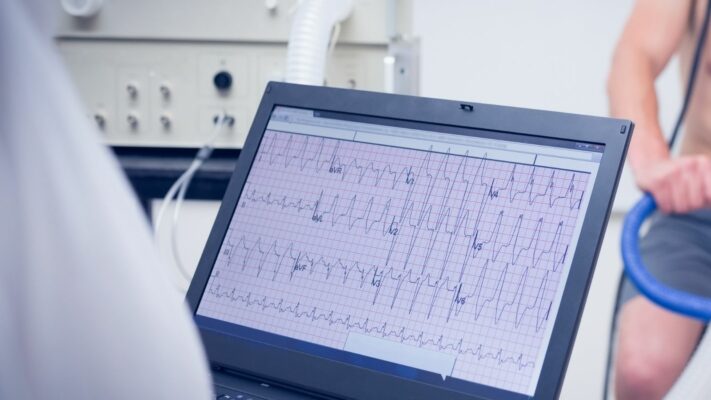
Exercise Stress Test in Children: Purpose, Procedure and Results
Exercise stress testing in children is [...]
Read More
29
Sep
Sep
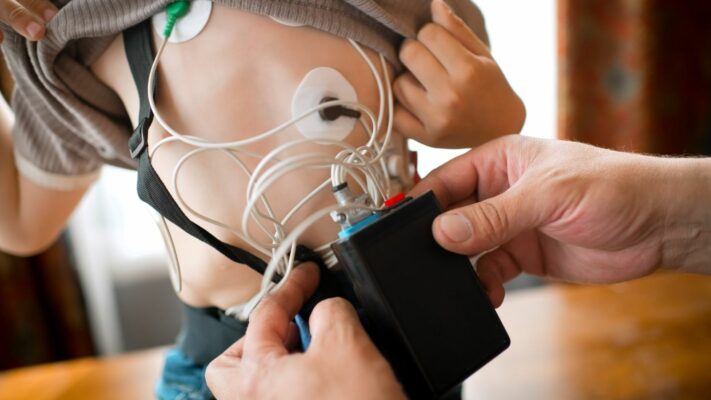
Holter ECG Monitoring in Children: Procedure, Uses and Results
Holter ECG in children is a [...]
Read More
29
Sep
Sep
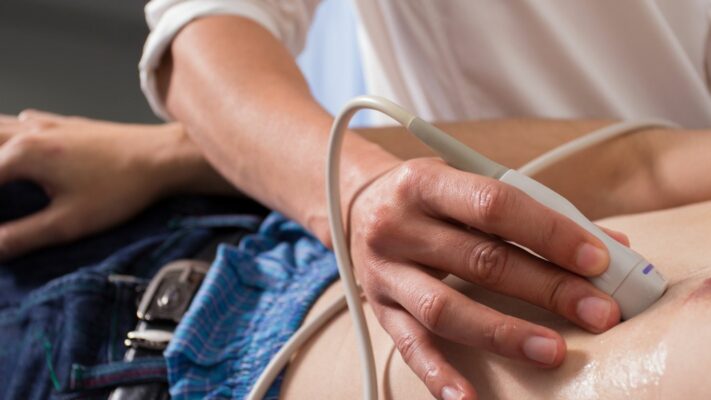
Pediatric Echocardiography (ECHO): Procedure, Uses and Results
Pediatric echocardiography is a painless ultrasound [...]
Read More
29
Sep
Sep
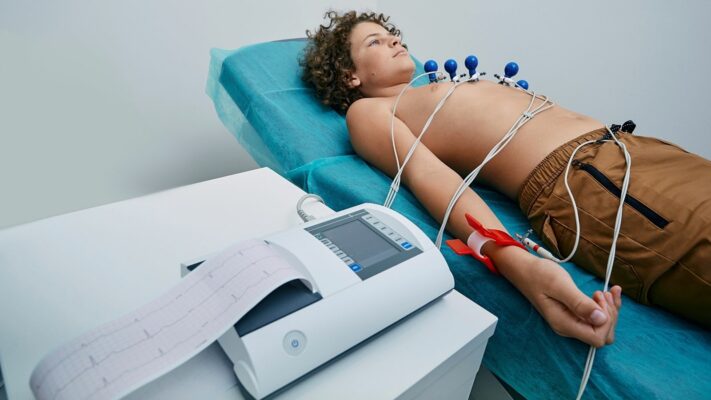
Pediatric ECG (Electrocardiogram): Procedure, Uses and Results
Pediatric ECG (Electrocardiography) is a completely [...]
Read More
29
Sep
Sep

Pulmonary Valve Stenosis: Symptoms, Causes, Diagnosis and Treatment
Pulmonary valve stenosis (pulmonary stenosis) is [...]
Read More
29
Sep
Sep
Ventricular Septal Defect (VSD): Symptoms, Causes and Treatment Options
Ventricular septal defect (VSD) is a [...]
Read More
29
Sep
Sep
Atrial Septal Defect (ASD): Symptoms, Causes and Treatment Options
Atrial septal defect (ASD) is a [...]
Read More
29
Sep
Sep

Shortness of Breath in Children: Causes, Symptoms and Treatment Options
Shortness of breath in children is [...]
Read More
10
Aug
Aug