
 Türkçe
 Deutsch
 العربية
 Русский

Tachycardia is the condition in which the number of heartbeats per minute while the heart is at rest rises above the safe limits determined according to the child’s age; this rhythm disorder usually manifests itself with symptoms such as palpitations, getting tired quickly, or refusal to feed in babies. The causes of the condition may include external factors such as anemia and fever, as well as structural differences in the heart’s own conduction system. In modern medicine, tachycardia treatment ranges from medication support planned according to the patient’s needs to ablation methods that permanently end the short circuit. Diagnosing this excessive acceleration of the heart in a timely manner is critically important for preserving vital functions.
What Is Tachycardia and What Are the Normal Limits According to Age?
The biggest misconception when evaluating children’s hearts is seeing them as small-sized adults. However, children’s heart rate is in constant change directly related to their developmental processes. The heart muscle cells and nervous system of a newborn baby are still in the developmental stage. The body surface area is small and metabolism works very fast. Therefore, the heart of a newborn baby beats at a fairly high tempo. As months and years pass, as the child grows, the heart muscle strengthens and the amount of blood it pumps to the body with each contraction increases. As a natural result of this, the number of heartbeats per minute gradually begins to decrease. Values measured at rest reflect the child’s physical condition at that moment. However, when a child has a fever, runs and plays, or becomes excited, the heart speeding up is an extremely healthy body response. What matters is knowing whether this acceleration exceeds the physiological limits appropriate for the child’s age.
The upper limits of normal resting heart rate according to age groups are as follows:
- 160/min in the newborn period
- 150/min until one year of age
- 130/min between two and four years of age
- 115/min between four and six years of age
- 110/min between six and ten years of age
- 100/min during adolescence
What Are the Mechanisms of Tachycardia Formation in Children?
The structure that enables the heart to contract regularly and pump blood is a special electrical network within itself. Just like the electrical installation inside a house, the heart has a main generator that produces electricity and cable systems that distribute this electricity to all chambers. When the functioning of this system is disrupted, the tempo of the heart gets out of control. The most common condition that causes excessive acceleration of the heart in children is what we call re-entry or short circuit in medicine. Under normal conditions, the electrical current leaves the main center, follows the pathways, completes its task, and fades away. However, some children have an extra, additional electrical cable present from birth. While the electrical current travels along the normal pathway, it enters this extra pathway and begins to rotate continuously between the two pathways. This vicious cycle causes the heart to suddenly reach very high rates within seconds.
Another mechanism is that some cells in the heart work unnecessary overtime. A group of cells outside the main electrical production center rebels, so to speak, and begins to produce electricity on its own and much faster. This condition takes control of the heart away from the main center and gives it to these rebellious cells. These types of accelerations usually do not begin suddenly; rather, they start gradually, like a car accelerating step by step, and return to normal gradually in the same way.
What Are the Symptoms of Tachycardia in Babies?
An adult can easily explain that their heart is beating fast through the feeling of palpitations in the chest. However, the situation is much more complicated in babies whose ability to speak and express themselves has not yet developed. To understand excessive heart acceleration in babies, one must be an extremely careful observer. When the heart beats too fast, it cannot find enough time to fill with blood. Therefore, the amount of blood and oxygen pumped to the other organs of the body decreases. Babies’ bodies react to this condition by giving some emergency signals. Parents correctly reading these indirect signals is invaluable for early diagnosis.
The most basic symptoms encountered in babies are as follows:
- Stopping sucking quickly
- Getting tired quickly while feeding
- Beads of sweat on the forehead
- Paleness in skin color
- Bluish discoloration around the mouth
- Unexplained crying episodes
- Lack of interest in surroundings
- Excessive sleepiness
- Rapid breathing
The main logic underlying these symptoms is that the heart has difficulty feeding the body. For example, feeding is one of the activities that requires the most serious effort for a baby. A baby whose heart is already beating very fast cannot tolerate this extra effort when they start sucking. The coordination of breathing, swallowing, and heartbeat is disrupted. As the body enters stress, stress hormones are secreted, and this causes intense sweating on the baby’s forehead, especially during feeding. If this condition goes unnoticed for hours, fluid begins to accumulate in the body due to the tired heart and serious shortness of breath begins to occur.
What Are the Symptoms of Tachycardia in Older Children and Adolescents?
As children grow and begin to express themselves, they can describe the unusual conditions in their hearts quite clearly. Attacks in this age group usually begin without any warning, while the child is watching television or reading a book, suddenly, as if a button has been pressed. The heart rate per minute may suddenly jump to two hundreds, even two hundred and fifties. This tremendous increase in rate creates a very uncomfortable feeling inside the chest. Children describe this feeling with their own vocabulary as if a bird is fluttering in their heart or something is beating in their throat.
Common symptoms seen in this age group are as follows:
- Feeling of palpitations in the chest
- Pressure and pain in the chest cage
- Difficulty breathing
- Blackout
- Severe dizziness
- Inability to stand
- Fainting
When the heart beats very fast, the pressurized blood flow to the brain decreases within seconds. Since brain tissue cannot receive enough oxygen temporarily, dizziness, loss of balance, or complete loss of consciousness in the form of suddenly collapsing to the ground, in other words fainting, may occur in the child. Fainting that occurs especially while running or playing should be examined with great care, as it may be a sign of much more serious heart-related problems. In addition, increased pressure in the chambers of the heart during an attack causes a special hormone to be secreted from the heart. This hormone stimulates the kidneys and enables water to be excreted from the body. Therefore, when the attack ends, it is a very common and typical situation for the child to immediately run to the toilet and urinate a large amount.
What Are the Innocent and Dangerous Causes of Tachycardia?
When children’s hearts speed up, the first thing to do is to find out whether this condition is an innocent body response or whether it originates from a disease in the heart’s own structure. Most of the time, the heart beating fast is a defense mechanism developed by the heart against another condition in the body that is not going well. The heart is completely healthy, the conduction system is flawless, and it has only increased its working tempo to meet the body’s increased needs.
External factors that cause innocent accelerations are as follows:
- High body temperature
- Insufficient fluid intake
- Diarrhea or vomiting (fluid loss)
- Anemia
- Thyroid function disorder (hyperthyroidism)
- Intense exam stress
- Sudden fear experiences
- Excessive caffeine consumption
- Energy drinks
For example, during a febrile illness, every one-degree increase in fever raises the heart rate by around ten to fifteen beats per minute. When the body is dehydrated or when there is anemia, the heart has to pump more to deliver enough oxygen to the tissues. In such cases, the heart is not intervened with; when the fever is reduced or the body’s fluid deficit is replaced, the heart returns to its normal rhythm on its own.
However, sometimes the problem is entirely inside the heart itself, and this creates dangerous rhythm disorders.
Pathological causes directly related to the heart are as follows:
- Congenital holes in the heart
- Disorders in valve structure
- Weakening of the heart muscle
- Excessive thickening of the heart muscle
- Scars from previous heart surgeries
- Genetic electrical channel disorders
In these situations, the heart accelerates due to a malfunction in the electrical system independently of the body’s needs and disrupts the body’s balance.
How Is Tachycardia Diagnosed in Children?
Making a definitive diagnosis of rhythm disorders sometimes requires a very challenging detective process. Because most of the time, attacks begin at home, end before reaching the hospital, and the heart’s functioning has completely returned to normal during the examination performed in the outpatient clinic. Therefore, to make a diagnosis, help from different and advanced medical devices is used. Our aim is to catch the moment when the heart is beating fast and record the electrical map at that moment.
The main methods we use in this process are as follows:
- Electrocardiography
- 24-hour rhythm Holter
- Event recorder mobile devices
- Treadmill exercise test
- Echocardiography
Electrocardiography is our most basic tool that puts the electricity produced by the heart onto paper. If we are lucky and can take this recording while the child is having an attack, we can name the disease immediately. However, if attacks come from time to time, we use Holter devices, where we attach small stickers to the child’s chest and monitor them for twenty-four or forty-eight hours. While the child continues daily life, this device records every heartbeat. If attacks are very rare, such as once a month, event recorders that the child can carry for weeks come into play. The moment the child feels palpitations, they press the button of the device and record the state of the heart at that moment. Echocardiography is a sound wave method working with the logic of ultrasound that we use to see whether there is a physical problem in the structure, valves, or walls of the heart.
What Can Be Done at Home During Tachycardia Attacks?
If a child’s heart suddenly starts beating very fast and the child is conscious and has good color, there are some simple first-aid methods that can be applied at home before setting out for the hospital or while waiting for an ambulance. The main purpose of these methods is to stimulate a special nerve called the vagus, which manages the rest and calming functions in our body, and to break that ongoing short-circuit loop in the heart with a mechanical reflex.
Simple and safe maneuvers that can be tried at home are as follows:
- Placing an ice pack on the forehead
- Suddenly washing the face with cold water
- Holding the breath in a bowl filled with ice water
- Taking a deep breath and straining strongly
- Trying to inflate a firm balloon
Especially in young children, cold water or ice application triggers the diving reflex inherent in the human body. When the body suddenly encounters cold, it reflexively slows the heartbeat to protect itself. This reflex can return that excessively fast rhythm in the heart to normal within seconds, as if turning a switch off and on. In older children, asking them to take a deep breath and strain as if going to the toilet or trying to inflate a balloon that is very difficult to inflate increases the pressure inside the chest. This increased pressure also has the power to stimulate the same nerve and stop the short circuit in the heart.
How Is Tachycardia Treated in Emergency Situations?
If interventions performed at home do not work or if the heart is still beating very fast when presenting to the emergency department of the hospital, medical treatment algorithms come into play. If the child’s general health condition is good, the method we first use is usually a special intravenous medication application. This medication has a miraculous structure that stays in the body for only a few seconds, performs its task, and then immediately disappears. When the medication is given very quickly through the vein, it completely locks the electrical passage point of the heart for milliseconds. This brief pause breaks the endless short-circuit loop inside the heart. Then the heart’s own main generator comes into play again and starts the normal rhythm. We can compare this process to pressing the restart button when a computer freezes.
However, in some cases, the attack is so severe that the child’s blood pressure drops, consciousness becomes blurred, and the skin becomes completely pale. In such urgent and life-threatening situations, there is no time to wait for medications to take effect.
Treatment methods applied in these critical moments are as follows:
- Putting the patient to sleep with sedative medications
- Applying synchronized electrical cardioversion
- Giving a low-dose controlled shock
- Starting emergency cardiac massage protocols
This controlled electrical shock given from outside silences all rebellious electrical cells in the heart at the same time and opens a clean page for the heart’s own natural structure to take control.
How Is Postoperative Tachycardia Managed?
The intensive care processes of children who have to undergo open-heart surgery due to severe congenital heart diseases are extremely sensitive. Mechanical touches to the heart during surgery, sutures placed, and swelling and edema that inevitably occur in the tissues after surgery may seriously irritate the electrical pathways of the heart. As a result of this irritation, very persistent and dangerous rhythm disorders may occur within the first few days immediately after surgery.
The treatment steps followed in intensive care in this special and difficult situation are as follows:
- Lowering the child’s body temperature in a controlled manner
- Providing deep sedation to relieve pain
- Increasing magnesium levels in the blood
- Administering strong rhythm-regulating medications intravenously
- Controlling the rhythm with external temporary pacemakers
Deliberately lowering body temperature by a few degrees reduces the working speed and energy need of cells. When metabolism slows down, the speed of those mischievous cells that make the heart beat fast also slows down. At the same time, with the help of temporary wires placed externally, rhythm is given to the heart at the right rate, preventing the heart from accelerating unnecessarily on its own and gaining time for the edema to regress.
What Is Ablation, the Permanent Treatment for Tachycardia?
After the excessive acceleration attacks of the heart are stopped in the emergency department, the main issue to consider is how to prevent these attacks from recurring in the coming years. For many years, the only option was heart-slowing medications that had to be taken every day, sometimes several times a day. However, thanks to advancing medical technology, today there is a much more definitive, permanent method called electrophysiological study and ablation, which eliminates medication dependence. This procedure is a modern treatment method performed with a completely closed system without opening the heart.
Through the large veins in the child’s groin area, very thin cables resembling spaghetti, with electronic sensors at their tips, are inserted. These cables follow the vascular route and are advanced into the heart. The inner surface of the heart is created as a three-dimensional map on computer screens, and that extra electrical cable or rebellious cell group is detected with millimetric precision.
The elimination methods applied after the problematic area is found are as follows:
- Heating the area with radiofrequency waves
- Destroying the tissue with point heat application
- Freezing the area with cryoablation technology
- Creating an ice-cube effect at minus eighty degrees
Especially in children’s small hearts, the freezing procedure is preferred much more frequently. Because in the freezing elimination procedure, if it is noticed that the wrong millimeter has been touched, the procedure can be stopped immediately and that tissue melts within seconds, returning to its former healthy state. In the heating procedure, however, there is no return. The success rate of these modern methods is very high, and after the procedure, patients are generally discharged the next day as fully recovered.
Can Children with Tachycardia Complaints Do Sports?
The question that most occupies the minds of parents whose child has been diagnosed with a rhythm problem is their child’s future physical activities. Attending physical education classes, running and playing with friends, or becoming interested in a professional sport in the future becomes a major source of concern for families. During sports, the body naturally releases a high amount of adrenaline and the heart works much more strongly. If there is a hidden disease in the heart, this condition may lead to serious unwanted consequences.
However, not every palpitation is an obstacle to sports. The decision process depends entirely on the type and severity of the disease.
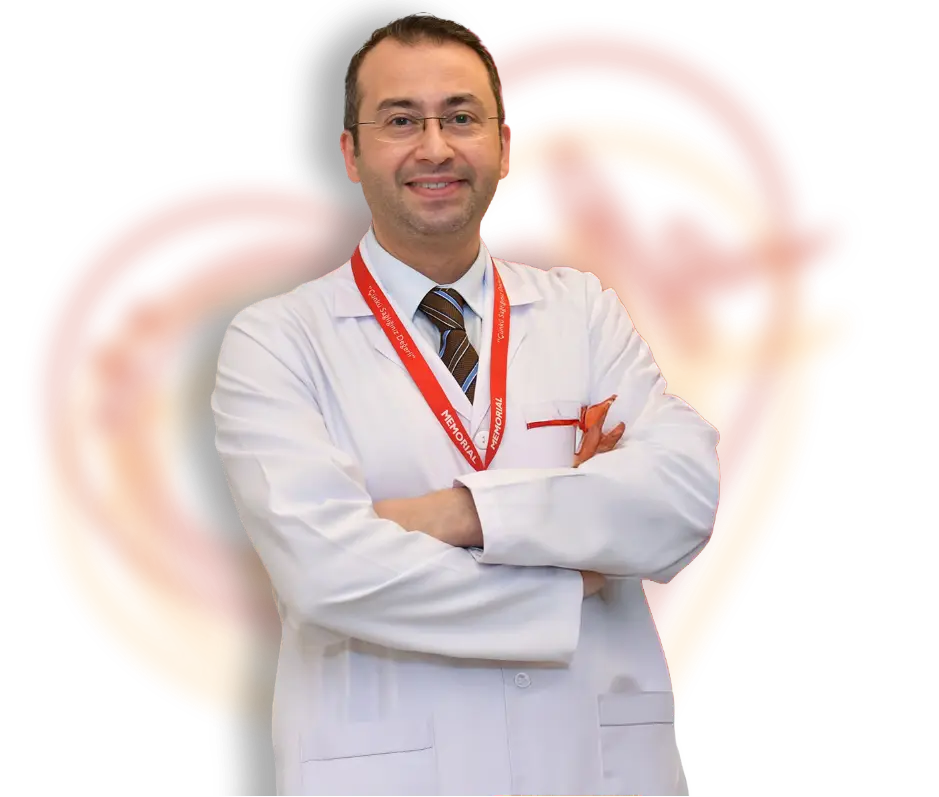
Prof. Dr. İbrahim Cansaran Tanıdır is an internationally recognized specialist with nearly 20 years of clinical, academic, and interventional experience in the fields of congenital heart diseases, pediatric interventional cardiology, hybrid procedures, and radiation-reduced / fluoroscopy-free catheterization techniques.
To date, he has performed more than 10,000 pediatric cardiac catheterization procedures both in Turkey and abroad, and has pioneered advanced interventional and hybrid applications in complex structural heart diseases in our country.
His academic productivity represents a scientifically strong authority with 110 SCI/SCIE publications, 1,440 citations, and an H-index of 18 (Google Scholar, 2025).


